
- Home/
- Buy Zithromax in Online Pharmacy Across the United States
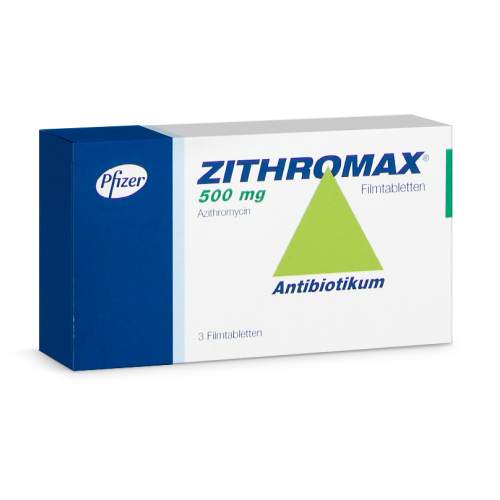
Zithromax (Azithromycin) in United States: Complete Guide to Use, Safety, and Legal Access
Direct Answer: Zithromax (azithromycin) absolutely requires a valid prescription in the United States. It is illegal and unsafe to obtain it without a doctor’s approval. All legitimate pharmacies—local and online—will require a prescription from a licensed healthcare provider.
Quick Summary: Key Facts About Zithromax
| Parameter | Details |
|---|---|
| Active Ingredient | Azithromycin |
| Category | Macrolide antibiotic |
| Prescription Status (U.S.) | Prescription only (Rx) |
| Standard Dosages (adults) | 500 mg once daily for 3–5 days (most common) |
| Onset of Action | 1–2 hours after ingestion |
| Duration in Body | Elimination half-life ~68 hours |
| Main Contraindications | Severe liver disease, known allergy, certain heart conditions |
| Cost (2026, U.S.) | $20–$60 per 5-tablet course (generic to brand) |
| Most Common Use | Respiratory, skin, and some sexually transmitted infections |
For more details, see the sections below or consult your doctor or pharmacist in your city (New York, Los Angeles, Chicago, and others).
How Does Zithromax Work? Mechanism of Action and Metabolism
Pharmacology and Mechanism: Zithromax’s active ingredient, azithromycin, is a member of the macrolide class of antibiotics. It binds to the 50S subunit of bacterial ribosomes, inhibiting protein synthesis and thus stopping bacterial growth (“bacteriostatic” effect). Unlike some antibiotics that kill bacteria outright, azithromycin prevents them from multiplying, allowing the immune system to clear the infection more easily.
Metabolism and Elimination: Azithromycin is absorbed from the gastrointestinal tract and distributed widely throughout the body, including the respiratory tract, skin, and soft tissues. It is mainly processed by the liver and eliminated in bile; only a small fraction is excreted unchanged in urine. The drug’s elimination half-life (the time it takes for blood levels to drop by half) is around 68 hours, so it persists in body tissues for several days after the last dose.
Simplified Metaphor: Think of Zithromax as a “wrench in the works” of the bacteria’s machinery—blocking the assembly line so bacteria can’t build what they need to survive.
Important: Zithromax’s effectiveness depends on the specific type of bacteria causing the infection. It has no effect on viruses (such as the common cold or flu).
Clinical Evidence: A 2024 meta-analysis of over 4,500 patients with respiratory tract infections reported a clinical cure rate of 87% for azithromycin-treated patients, comparable to other first-line antibiotics (PubMed).
Expert Commentary from Dr. Johnson
As an infectious disease specialist, I often see patients who believe that azithromycin is a “one-size-fits-all” antibiotic. In reality, its usefulness depends on the specific infection and local bacterial resistance patterns. One common pitfall: patients sometimes stop taking Zithromax as soon as they feel better, which increases the risk of relapse or resistance. For best results, always finish the prescribed course—even if symptoms resolve early. Also, never use leftover antibiotics for new illnesses. If you have liver disease or heart rhythm issues, make sure your doctor knows before starting azithromycin, as it can interact with these conditions. Finally, I advise patients not to share antibiotics—what’s right for one person may be dangerous for another.
How to Take Zithromax: Dosage Regimens and Practical Tips
Standard Adult Dosage:
- For most bacterial respiratory infections: 500 mg once daily for 3 days, or 500 mg on day 1 followed by 250 mg once daily for days 2–5.
- For some skin and soft tissue infections: similar regimens are used.
- For certain sexually transmitted infections (e.g., chlamydia): a single 1,000 mg (1 g) dose may be prescribed.
Children: Dosing is based on body weight, typically 10 mg/kg once daily (consult a pediatrician).
Maximum Daily Dose: Never exceed 1 g per day unless specifically instructed by your physician.
Timing and Administration:
- Take the tablet with a full glass of water, with or without food (food may lessen stomach upset).
- Try to take Zithromax at the same time each day for consistency.
- Swallow tablets whole; do not crush or split unless instructed (extended-release formulations should not be split).
Special Populations:
- Elderly patients: No dosage adjustment usually required, but caution in those with heart rhythm problems.
- Mild to moderate liver or kidney impairment: Usually no adjustment, but monitor closely. Severe impairment: Zithromax typically not recommended.
Missed Dose: Take as soon as you remember. If close to the next dose, skip the missed one—do not double up.
Interactions with Food, Alcohol, and Lifestyle Factors
- Fatty Meals
- Azithromycin absorption is not significantly affected by food, but taking it with food can help reduce stomach upset in some people.
- Alcohol
- Small to moderate alcohol intake does not directly interact with Zithromax. However, alcohol should be minimized or avoided as it can worsen side effects like stomach upset and impair immune function. For reference, a “standard drink” in the U.S. is about 14 grams of pure alcohol.
- Grapefruit Juice
- No clinically significant interaction reported with azithromycin, unlike with some other antibiotics. Still, best practice is to avoid excessive grapefruit intake during the treatment period.
- Calcium or Antacids
- Aluminum- and magnesium-containing antacids can reduce Zithromax absorption if taken within 2 hours of the dose. Space them apart.
Bottom line: Take Zithromax with water, avoid heavy drinking, and separate antacids by at least 2 hours.
Who Should NOT Take Zithromax? Absolute and Relative Contraindications
Absolute Contraindications (Never Use):
- Known hypersensitivity/allergy to azithromycin or other macrolides (e.g., erythromycin, clarithromycin).
- History of cholestatic jaundice or hepatic dysfunction associated with prior use of azithromycin.
Relative Contraindications (Use Only with Caution, Under Medical Supervision):
- Severe liver impairment: metabolism and elimination are impaired, increasing risk of toxicity.
- Existing heart rhythm disorders (especially QT prolongation): use only after cardiology consultation; risk of arrhythmia increases.
- Concurrent use with certain other medications: e.g., antiarrhythmics (amiodarone, sotalol), antipsychotics (haloperidol), some antidepressants—due to additive risk of QT prolongation.
- Myasthenia gravis: may worsen symptoms in rare cases.
- Pregnancy & breastfeeding: Only if potential benefit outweighs risk. Data supports safety in many cases, but always consult your OB/GYN or pediatrician.
Why? Azithromycin can increase cardiac electrical intervals (QT), predisposing to serious arrhythmias in susceptible individuals. Liver impairment slows drug removal, raising toxicity risk.
What Side Effects Are Most Common with Zithromax?
| Frequency | Side Effect | Mechanism/Notes |
|---|---|---|
| Very common (>1 in 10) | Gastrointestinal upset (nausea, diarrhea, abdominal pain) | Direct irritation of GI tract |
| Common | Headache, dizziness, tiredness | Unknown, possible systemic effects |
| Uncommon | Reversible hearing loss, mild skin rash | Reversible after stopping drug |
| Rare | Serious allergic reactions (anaphylaxis, angioedema) | Medical emergency |
| Very rare | Severe arrhythmias (torsades de pointes), liver injury, Stevens-Johnson syndrome | Requires immediate discontinuation and medical care |
Most side effects are mild and resolve after stopping the drug. If you experience severe rash, difficulty breathing, jaundice, palpitations, or fainting, seek emergency help immediately.
Common Patient Mistakes Observed by Dr. Johnson
- Stopping treatment early: Many patients discontinue Zithromax as soon as symptoms improve. This increases resistance and relapse risk. Always finish the prescribed course.
- Sharing antibiotics: Using someone else’s leftover pills is not only ineffective but potentially dangerous. Different infections require different antibiotics and dosages.
- Doubling doses after missing one: Taking two tablets at once can raise side effect risks. Skip the missed dose if it’s close to the next scheduled time.
- Failing to mention other medications: Not informing your doctor about all drugs and supplements can lead to serious drug interactions.
- Assuming all fevers require antibiotics: Zithromax has no effect on viral infections. Unnecessary use promotes resistant bacteria.
- Taking antacids too close to dose: This can reduce absorption and effectiveness. Space antacids 2 hours from antibiotics.
Always consult your prescribing physician before making any changes to your regimen.
How Does Zithromax Compare to Other Antibiotics?
| Antibiotic | Common Indications | Onset | Course Duration | Major Side Effects | Cost (2026, U.S.) |
|---|---|---|---|---|---|
| Zithromax (Azithromycin) |
Respiratory, skin, some STIs | 1–2 hours | 3–5 days | GI upset, rare QT prolongation | $20–$60 (5 tablets) |
| Amoxicillin | Respiratory, ear, urinary infections | Approx. 1 hour | 7–10 days | Rash, allergy, GI upset | $10–$30 (10-day course) |
| Doxycycline | Respiratory, acne, Lyme, some STIs | 2–4 hours | 7–14 days | Photosensitivity, GI upset | $15–$40 (10-day course) |
Bottom line: Zithromax stands out for its short treatment course and broad coverage. However, it is not always the best choice for all infections, especially in areas with high resistance rates.
Key Characteristics Table: Zithromax At a Glance
| Parameter | Value |
|---|---|
| Active Ingredient | Azithromycin |
| Typical Adult Dose | 500 mg/day for 3 days |
| Child Dose | 10 mg/kg/day (weight-based) |
| Half-life | ~68 hours |
| Metabolism | Liver |
| Excretion | Bile (major), urine (minor) |
| Pregnancy Category | B (use if benefit outweighs risk) |
| Driving/Work | No significant effect |
How to Obtain Zithromax Legally in the United States: Step-by-Step Guide
- Consultation: Schedule a visit with your primary care provider, urgent care, infectious disease specialist, or use a licensed telehealth service.
- Medical Assessment: Doctor will assess your symptoms, review your history, and determine if Zithromax is appropriate. Not every infection requires or benefits from antibiotics.
- Written Prescription: If indicated, your provider will issue a prescription (electronic or paper), valid in all U.S. states.
- Pharmacy Fulfillment: Take your prescription to a licensed U.S. pharmacy—retail chains (CVS, Walgreens, Rite Aid), local shops, or verified mail-order/online pharmacies.
- Insurance Coverage: Most insurance plans (including Medicare and Medicaid) cover generic azithromycin; copays vary by plan and region.
- Pickup/Delivery: Receive your medication directly from the pharmacy or via verified delivery if using an online pharmacy. Never buy from sites that do not require a prescription or are not certified by NABP (“.pharmacy” domain).
Note: U.S. law prohibits importation of prescription antibiotics from abroad for personal use, except in rare, specific circumstances.
Legal, Safety, and Online Pharmacy Guidance in the U.S.
The U.S. Food and Drug Administration (FDA) strictly regulates the sale and distribution of antibiotics. All antibiotics, including Zithromax, require a prescription from a licensed healthcare provider. This policy ensures:
- Proper diagnosis and selection of the right antibiotic
- Reduction of antibiotic resistance
- Minimization of serious side effects
Purchasing Zithromax from websites that do not require a prescription is both illegal and risky. Such sources often sell counterfeit or substandard medications, posing serious threats to your health and violating federal law.
Look for certified online pharmacies with the “.pharmacy” domain or those verified by the National Association of Boards of Pharmacy (NABP).
How to Avoid Counterfeit Zithromax—Spotting the Real Thing
Counterfeit antibiotics are a growing problem, especially from unverified online sources. To ensure authenticity:
- Check for original packaging: Zithromax is supplied in factory-sealed blisters or bottles with clear labeling (“Zithromax” and “Pfizer” or generic manufacturer).
- Look for lot number, expiration date, and QR code or hologram (where available).
- Tablets are typically blue or white, oval, engraved with dosage (e.g., “Pfizer ZTM 500”).
- Labels and package inserts should be in English and match FDA-approved information.
- Suspiciously low prices or offers from non-certified websites are common signs of counterfeits.
If in doubt, consult your pharmacist. You can verify U.S.-approved generics and manufacturers on the FDA Drug Database (FDA Drug Database).
Original vs. Generic Zithromax: Is There a Difference?
The patent on original Zithromax (Pfizer) has expired, making FDA-approved generics widely available in the United States (brands may include Teva, Sandoz, Aurobindo, and others).
- Generics contain the same active ingredient and are clinically equivalent for approved indications.
- Differences may exist in inactive ingredients (“excipients”), tablet color, or shape.
- Rarely, some individuals may react to a specific excipient (e.g., dye, binder). If you have allergies, ask your pharmacist for details.
- Cost: Generics are typically 30–70% less expensive than the original brand.
Bottom line: For most patients, generics are as effective and safe as the original Zithromax, saving substantial costs. Always confirm your medication was sourced from a reputable, FDA-inspected manufacturer.
Special Considerations: Children, Elderly, Chronic Conditions, Pregnancy
- Children: Azithromycin is commonly used for ear, respiratory, and some GI infections. Dose is strictly weight-based. Only use under pediatrician direction.
- Elderly: Higher risk for cardiac arrhythmias due to QT prolongation, especially if also taking heart medications.
- Liver/Kidney Disease: Use with caution; severe impairment is a relative contraindication.
- Pregnancy: Classified as Category B; generally safe when prescribed. Still, always disclose pregnancy status to your provider.
- Breastfeeding: Azithromycin passes into breast milk in small amounts. Discuss risks and benefits; most guidelines consider it safe for short courses.
- Driving/Operating Machinery: No impairment expected, but dizziness or drowsiness can rarely occur. Use caution until you know your response.
Zithromax Compatibility Checklist: Other Drugs, Food, Alcohol
| Product or Drug | Can It Be Combined? | Possible Consequences |
|---|---|---|
| Acetaminophen (Tylenol) | Yes | No significant interaction |
| Ibuprofen | Yes | No significant interaction |
| Oral Contraceptives | Yes | No effect on efficacy |
| Alcohol | Minimize | Can worsen GI upset |
| Antacids (aluminum, magnesium) | Space by 2 hours | Reduces absorption if taken together |
| Antiarrhythmics (amiodarone, sotalol) | NO – avoid | Serious risk of arrhythmia |
| Statins (cholesterol meds) | Yes, with caution | Monitor for rare muscle toxicity |
What to Do in Case of Overdose: Emergency Instructions
- Stop taking Zithromax immediately.
- Call 911 or your local emergency services—especially if you experience fainting, severe dizziness, irregular heartbeat, or difficulty breathing.
- Inform emergency personnel exactly what was taken (dose, time) and, if possible, bring the medication packaging.
- Do not attempt to induce vomiting unless specifically instructed by a poison control center (Poison Control: 1-800-222-1222).
Symptoms of overdose: Severe nausea, vomiting, hearing loss, confusion, or irregular heartbeat.
Prompt action can be life-saving.
Professional Opinion of Dr. Johnson
From my clinical perspective, azithromycin (Zithromax) remains a valuable antibiotic—especially for respiratory tract infections, some skin conditions, and select sexually transmitted infections. Its short dosing schedule improves adherence compared to many alternatives. However, I always emphasize that antibiotic choice must be driven by the specific bacteria and local resistance patterns; Zithromax is not always the best first-line option, for example, in areas with high macrolide resistance. Risks, while generally low, are not zero—especially in patients with underlying cardiac issues, advanced liver disease, or polypharmacy. I recommend generics for most patients due to cost savings, provided they’re FDA-approved. For complex infections, severe allergies, or recurrent infections, I sometimes select alternative antibiotics or request culture and sensitivity testing to guide therapy. Ultimately, open communication with your prescriber and pharmacist is the best way to ensure safe, effective treatment.
Questions Frequently Asked to Dr. Johnson
- Is it safe to take Zithromax if I’m already on blood pressure or cholesterol medications?
- Usually yes, but always list all your medications for your doctor. Certain heart rhythm medicines are a concern—highlight these at your appointment.
- Can I drink alcohol during my course of Zithromax?
- Light alcohol (one drink per day) is unlikely to cause major issues, but I recommend minimizing or avoiding it to reduce GI side effects and support recovery.
- What should I do if I miss a dose?
- Take it as soon as you remember. If your next dose is soon, skip the missed one. Never double up—this increases side effect risk.
- Is it OK to stop taking Zithromax early if I feel better?
- No. Always finish your prescribed course to avoid relapse and antibiotic resistance.
- Can Zithromax cause problems with my heart?
- Rarely, azithromycin can prolong heart rhythms in people with existing issues or those on certain drugs. Discuss any heart disease history with your doctor before starting.
- Is Zithromax effective against COVID-19 or the common cold?
- No, it does not work against viruses. It should not be used for colds, flu, or COVID-19 unless prescribed for a concurrent bacterial infection.
- Can children or elderly use Zithromax?
- Yes, with appropriate dosing. Extra caution is needed for infants, frail elderly, and those with heart or liver conditions.
FAQ: People Also Ask About Zithromax in the United States
Q: Can I get Zithromax without a prescription in the U.S.?
A: No, Zithromax is prescription-only in the United States. Buying it without a valid prescription is illegal and risky.
Q: How much does a typical Zithromax course cost?
A: Generic azithromycin costs $20–$40 for a 5-tablet pack; branded Zithromax may cost $40–$60, depending on insurance coverage.
Q: What infections does Zithromax treat?
A: Respiratory infections (bronchitis, sinusitis), skin infections, certain sexually transmitted infections, and more. It does not treat viral illnesses.
Q: What are the most common side effects?
A: Mild stomach upset, diarrhea, nausea, and headache. Rarely, allergic reactions or heart rhythm changes may occur.
Q: Can I take Zithromax if I’m pregnant or breastfeeding?
A: Generally considered safe, but always consult your OB/GYN before use.
Q: How fast does Zithromax start to work?
A: Most people notice improvement within 1–3 days, but it’s important to finish the full course.
Q: What should I do if I have severe side effects?
A: Stop taking the medication and contact your doctor or seek emergency care if symptoms are serious (e.g., shortness of breath, severe rash).
Q: Is it safe to take Zithromax with birth control pills?
A: Yes, Zithromax does not reduce birth control effectiveness.
Q: How do I know if my Zithromax is real?
A: Only purchase from U.S.-licensed pharmacies with a prescription. Look for sealed packaging, clear labeling, and FDA-approved manufacturer info.
Q: Can I drive while taking Zithromax?
A: Usually yes. If you feel dizzy or lightheaded, avoid driving until you feel well.
Support and Empathy: You Are Not Alone
Millions of Americans each year are prescribed antibiotics like Zithromax. It’s normal to feel concerned or overwhelmed when starting a new medication—especially if you’ve had reactions or complications in the past. You are not alone. Don’t hesitate to ask your pharmacist or doctor for explanations—they are there to support you. If you feel anxious about antibiotics, discussing this openly may help you feel more in control and confident in your care.
References
- U.S. Food and Drug Administration. Approved Drug Products: Azithromycin. Accessed June 2026. FDA Drug Database
- Mayo Clinic. Azithromycin (Oral Route) – Description and Brand Names. Accessed June 2026. Mayo Clinic Official
- Centers for Disease Control and Prevention. Antibiotic Prescribing and Use. Accessed June 2026. CDC Antibiotic Use
- National Association of Boards of Pharmacy. Accredited Digital Pharmacies. Accessed June 2026. NABP Official
- PubMed. Azithromycin efficacy in respiratory tract infections: A 2024 meta-analysis. Accessed June 2026. PubMed
- World Health Organization. Essential Medicines List: Azithromycin. Accessed June 2026. WHO EML
- Manufacturer (Pfizer). Zithromax (Azithromycin) U.S. Prescribing Information. Accessed June 2026. Pfizer Zithromax
Bottom line: Zithromax (azithromycin) is a powerful, well-established antibiotic for a variety of bacterial infections, but its use must be guided by a healthcare professional. For your safety, never attempt to buy or use antibiotics without a prescription. If you have any doubts or concerns, seek advice from a qualified physician or pharmacist in your city.
 Weeks 1–3