- Home/
- Buy Antabuse Online in the United States Safely and Conveniently
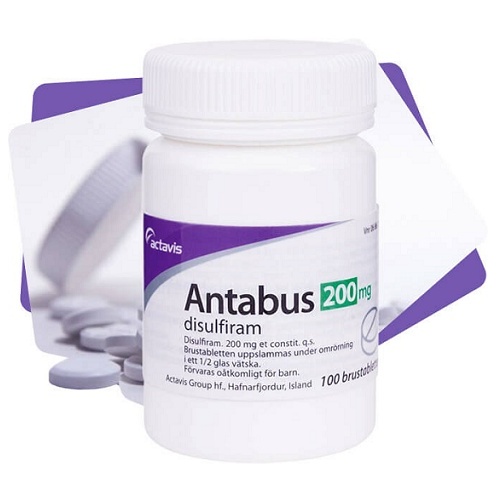
Can Antabuse (Disulfiram) Be Obtained Without a Prescription in the United States?
No, Antabuse (disulfiram) requires a valid prescription in the United States. It cannot be obtained legally without a healthcare provider’s prescription, whether in-person or through a licensed telemedicine service.
Key Takeaways: What You Need to Know About Antabuse for Alcohol Dependence
- Prescription-only: You must have a prescription from a licensed healthcare provider to access Antabuse in the United States.
- Who benefits most: Antabuse is suitable for adults committed to stopping alcohol use, often as part of a broader treatment plan.
- How it works: It helps deter drinking by causing unpleasant reactions if alcohol is consumed.
- Safety alert: Never take Antabuse with alcohol or products containing alcohol due to risk of severe reactions.
- Medical guidance required: Always consult a healthcare professional before starting or stopping Antabuse, especially if you have heart, liver, or psychiatric conditions.
- Most important tip: Antabuse is a support tool—it does not cure alcohol dependence but helps you stay abstinent when combined with counseling and support.
How Does Antabuse Work in the Body? Understanding the Science and Effect
Antabuse (disulfiram) is classified as an aldehyde dehydrogenase inhibitor. After you consume alcohol, your body normally converts it to acetaldehyde and then rapidly breaks it down to acetic acid using the enzyme aldehyde dehydrogenase (ALDH). Disulfiram blocks this enzyme, causing acetaldehyde to accumulate to high levels in the blood if alcohol is present.
This buildup of acetaldehyde leads to a constellation of highly unpleasant symptoms: facial flushing, nausea, vomiting, palpitations, low blood pressure, chest pain, and severe anxiety, among others. The reaction can occur within 10–30 minutes after drinking even small amounts of alcohol and may last several hours.
Metaphor: Think of Antabuse as installing a “security alarm” in your body that blares whenever you try to drink alcohol, making the experience so uncomfortable that you’re deterred from drinking.
Antabuse does not reduce cravings directly and only works if alcohol is consumed. Its deterrent effect depends entirely on the person’s motivation and the commitment to abstinence. No effect occurs if alcohol is not ingested.
- Myth: Antabuse removes the desire to drink.
- Reality: Antabuse does not reduce cravings; it creates a physical deterrent if alcohol is consumed.
Expert Commentary: Misconceptions and Real-World Experiences with Antabuse Treatment
In my experience, many patients and families come in expecting Antabuse to “do the work” of stopping alcohol use for them, almost like a cravings blocker. It’s important to clarify that Antabuse doesn’t address the underlying psychological drivers of addiction or remove urges to drink. A common misconception is that the medication will force abstinence, but in reality, motivated commitment and support systems are crucial. Another issue is that patients often don’t realize how many products contain hidden alcohol—mouthwash, cough syrups, even some foods—which can trigger severe reactions. Few patients ask about how long they need to commit to therapy or what happens if they relapse. I always stress the importance of counseling and relapse prevention planning alongside pharmacological therapy.
How Should Antabuse Be Taken? Dosage, Timing, and Duration
Usual starting dose: The typical starting dose for adults is 500 mg once daily for 1–2 weeks, followed by a maintenance dose of 250 mg once daily. The initial higher dose helps achieve adequate blood levels quickly, after which a lower maintenance dose minimizes side effects.
Maximum daily dose: 500 mg per day should not be exceeded under standard conditions.
Timing: Take Antabuse in the morning, with or without food. For those experiencing drowsiness, your doctor may suggest taking it at night.
Splitting tablets: Antabuse tablets are scored and may be split if a lower dose is prescribed, but always follow your doctor’s instructions.
Duration: The duration of treatment is individualized; many patients continue for months or years depending on their risk of relapse and ongoing support needs.
Special populations: For elderly adults or those with mild liver or kidney impairment, lower starting doses and careful monitoring are recommended. Severe liver disease is a contraindication.
Peak effect: After starting, the deterrent effect is present within 12 hours and lasts up to 1–2 weeks after stopping the medication.
Never restart alcohol consumption until at least 14 days after stopping Antabuse, as the reaction risk persists due to slow elimination from the body.
Can I Take Antabuse With Food or Alcohol? Lifestyle, Food Interactions, and Precautions
- With food: Taking Antabuse with or without meals does not significantly affect its absorption. High-fat meals have minimal impact.
- Alcohol: Absolutely do not combine with alcohol in any form, including cooking wine, sauces, certain desserts, or even “non-alcoholic” beers (which may still contain trace amounts).
- Other alcohol-containing products: Avoid mouthwashes, aftershave, cough syrups, and topical products with alcohol (read labels carefully).
- Grapefruit juice: No clinically significant interactions reported with grapefruit juice.
Bottom line: To avoid severe reactions, scrupulously avoid all sources of alcohol while taking Antabuse and for two weeks after stopping.
Compatibility Checklist: Antabuse and Other Common Substances
| Substance / Medication | Compatible? | Consequences |
|---|---|---|
| Alcohol | Strictly NO | Severe reaction (see above) |
| Acetaminophen (Tylenol) | Yes | No known interaction |
| Ibuprofen | Yes | No known interaction |
| Warfarin | Caution | May increase warfarin effect (monitor INR) |
| Metronidazole | Strictly NO | Risk of psychosis |
| Cough syrups (with alcohol) | Strictly NO | Severe reaction |
| Antidepressants (various) | Caution | Consult your doctor for possible interactions |
Who Should Not Take Antabuse? Contraindications and Cautions
- Absolute Contraindications: Never use Antabuse if you have:
-
- Severe heart disease (e.g., recent myocardial infarction, coronary artery disease with symptoms)
- Severe liver disease (hepatic failure, active hepatitis, or cirrhosis)
- Psychosis or a history of severe psychiatric illness
- Hypersensitivity to disulfiram or other thiuram derivatives
- Concurrent or recent use of metronidazole (risk of psychosis)
- Current intoxication with alcohol or recent alcohol use (within 12 hours)
- Relative Contraindications: Use with caution if you have or are:
-
- Mild-to-moderate liver or kidney impairment (dose adjustment, frequent monitoring required)
- Older adults (increased risk of adverse effects)
- History of depression or suicide risk (monitor closely)
- Epilepsy or seizure disorders
- Diabetes
- After Heart Attack or Stroke:
- A minimum of several months’ stabilization under cardiologist supervision is required before considering Antabuse.
Why? The severe reaction with alcohol can dangerously lower blood pressure, stress the heart, and provoke psychiatric symptoms, making Antabuse unsafe for high-risk groups.
What Side Effects Are Most Common With Antabuse? Adverse Effects Explained
- Very common (>1/10): Skin rash, drowsiness, metallic or garlic-like aftertaste, headache
- Common (1/10–1/100): Fatigue, acne, impotence, mild liver enzyme elevations, vomiting (without alcohol)
- Rare (1/1,000–1/10,000): Severe hepatitis, liver failure, neuropathy (nerve inflammation), psychosis, optic neuritis
- Very rare (<1/10,000): Allergic reactions (anaphylaxis), fatal liver damage, severe cardiovascular collapse
Mechanism: The metallic taste and drowsiness are due to disulfiram’s direct effects on the central nervous system. Liver injury, though rare, is idiosyncratic and unpredictable.
If you experience:
- Persistent nausea, vomiting, yellowing of the skin or eyes, dark urine (possible liver problem) – stop Antabuse and contact your doctor immediately.
- Confusion, hallucinations, or psychiatric symptoms – seek urgent medical attention.
- Mild rashes, drowsiness, or taste changes – these may be temporary; consult your doctor if persistent.
Common Mistakes Patients Make With Antabuse—And How to Avoid Them
- Believing they can “test” small amounts of alcohol: Even a sip can trigger a severe reaction. Never attempt to “see what happens.”
- Overlooking hidden alcohol sources: Mouthwash, cooking extracts, some medications, or even certain foods can all contain enough alcohol to cause problems. Always check labels and ask your pharmacist if unsure.
- Stopping the medication too soon: Some patients discontinue after a few weeks, thinking the “habit is broken,” only to relapse. Stick to the duration recommended by your doctor, even if you feel confident.
- Skipping doses or taking irregularly: Missing doses reduces effectiveness and increases the risk of impulsive drinking. Take Antabuse at the same time every day.
- Not informing healthcare providers: Always tell any doctor or dentist you’re taking Antabuse, as drug interactions can be dangerous.
- Restarting alcohol too soon after stopping Antabuse: The reaction risk persists for up to two weeks after the last dose. Wait at least 14 days before considering alcohol, but discuss this with your doctor first.
How Does Antabuse Compare to Other Alcohol Dependence Treatments?
| Medication | Mechanism | Onset | Duration | Common Side Effects | Estimated Cost (USD per month) | Prescription Required |
|---|---|---|---|---|---|---|
| Antabuse (Disulfiram) | ALDH inhibition (Deterrent) | 12 hours | 1–2 weeks after last dose | Flushing, nausea, headache, rare liver injury | $25–$60 | Yes |
| Campral (Acamprosate) | Modulates glutamate and GABA (Craving reducer) | 5–7 days | Continuous | Diarrhea, anxiety, insomnia | $65–$120 | Yes |
| ReVia/Vivitrol (Naltrexone) | Opioid receptor antagonist (Reduces rewarding effect) | 1 hour (oral), 2–3 days (injection) | 24 hours (oral), 4 weeks (injection) | Nausea, headache, liver enzyme elevation | $50–$130 (oral); $1300–$1600 (monthly injectable) | Yes |
Interpretation: Antabuse is unique in providing an immediate deterrent effect but requires total alcohol abstinence. Naltrexone and acamprosate work by reducing cravings and are better suited for those aiming to cut down or struggling with relapse. Costs and side effect profiles vary. Discuss options with a specialist to choose the therapy best matched to your needs.
Antabuse Product Reference Table
| Parameter | Value |
|---|---|
| Active Ingredient | Disulfiram |
| Available Strengths | 250 mg, 500 mg tablets |
| Formulation | Oral tablet, scored |
| Peak Effect | 12 hours after first dose |
| Duration of Action | 7–14 days after last dose |
| Storage | Room temperature (68–77°F) |
| Manufacturer (US) | Various generic manufacturers |
| Package Appearance | Blister packs or bottles; check for U.S. NDC code |
What Happens to Antabuse Inside the Body? Pharmacokinetics and Elimination
After swallowing, Antabuse is rapidly absorbed from the gut and reaches peak blood levels in 8–12 hours. It is extensively metabolized in the liver into several active and inactive compounds. The main route of elimination is via the urine (after metabolic processing), with some excreted in bile and feces.
Half-life: The effective biological action persists well beyond the presence of the parent drug, because of irreversible enzyme inhibition. The observed clinical effect lasts up to 14 days after cessation.
Implications: Patients with liver dysfunction may accumulate higher levels of disulfiram and its metabolites, heightening toxicity risks. Dose adjustments and close monitoring are needed in these groups.
Special Considerations: Who Needs Extra Care When Using Antabuse?
- Chronic liver or kidney disease: Use with great caution or not at all; may worsen organ function.
- Cardiovascular disease: Use only if benefits outweigh risks; severe reactions can dangerously affect blood pressure and heart rhythm.
- Older adults (>65 years): Increased risk of confusion, falls, and liver toxicity; start at lower doses and monitor closely.
- Pregnancy and breastfeeding: Not recommended unless benefits clearly outweigh risks; insufficient human data on safety.
- Fertility: No strong evidence of negative effects on fertility, but unplanned pregnancy should be avoided during treatment.
- Driving and machinery: Drowsiness may impair abilities; do not drive or operate heavy machinery until you know how Antabuse affects you.
Brand vs Generic Antabuse: What’s the Difference, and Are Generics Safe?
Original product: “Antabuse” is the original brand name, but all forms of disulfiram in the United States are now marketed as generics (the brand is no longer available). Generics are FDA-approved and considered clinically equivalent in efficacy and safety.
Generics: Generic disulfiram tablets contain the same active ingredient. They may use different excipients (inactive binders, fillers, colorants), which rarely cause allergic reactions. If you have a known allergy to dyes or fillers, inform your pharmacist.
Advantages: Generics are less expensive and held to strict FDA standards.
Identifying generics: Packaging should list “disulfiram,” include a U.S. NDC code, and display manufacturer details.
How Can I Spot Counterfeit or Unsafe Antabuse Products?
Original or legitimate generic Antabuse in the United States should:
- Come in a sealed, tamper-evident bottle or blister pack, with clear labeling in English.
- Display an FDA National Drug Code (NDC) and manufacturer information.
- Show tablet markings as per FDA records (e.g., color, shape, imprint code).
- Include a patient information leaflet.
- Never be unusually cheap—prices far below U.S. pharmacy levels are a red flag.
Quality check: U.S.-packaged generics may feature QR codes to the manufacturer’s website or FDA listings; check for these and verify details online if unsure.
What are generics? Generics are official FDA-approved equivalents to branded drugs, tested for bioequivalence and safety.
Counterfeit warning: Imports from unlicensed sources, “international pharmacies,” or sellers without a verifiable U.S. address are risky and may contain incorrect ingredients, no active drug, or unsafe contaminants.
How to Make Sure You’re Using a Legitimate Online Pharmacy in the United States
To ensure safety when using an online pharmacy:
- Only use pharmacies certified by the National Association of Boards of Pharmacy (NABP) (look for the .pharmacy domain or Verified Internet Pharmacy Practice Sites, VIPPS, seal).
- All legitimate pharmacies require a valid U.S. prescription for Antabuse.
- Avoid sites that offer to “ship without prescription,” lack a physical U.S. address, or do not offer pharmacist consultation.
- Check for FDA MedWatch safety alerts and FDA guidance on online pharmacy safety.
- Never purchase from online marketplaces or social media advertisements.
If in doubt, verify the pharmacy’s license with your state’s Board of Pharmacy.
Step-by-Step: How to Get Antabuse Safely in the United States
- Schedule a medical evaluation with your primary care provider, addiction specialist, or through a reputable telehealth service licensed in your state.
- Complete an assessment for alcohol dependence, your medical history, and any underlying liver, heart, or psychiatric conditions.
- Discuss risks, benefits, and expectations, including required abstinence from alcohol and possible side effects.
- If appropriate, receive a prescription for Antabuse (disulfiram).
- Fill your prescription at a licensed local pharmacy or a verified U.S. mail-order pharmacy.
- Follow up regularly with your doctor or treatment team for monitoring, support, and to adjust therapy as needed.
Some states and major cities (such as New York, Los Angeles, Chicago) have specialized addiction clinics where you can access multidisciplinary care, including pharmacotherapy and counseling.
Questions Patients Often Ask Doctors About Antabuse Therapy
- How will I know if Antabuse is working if I never drink alcohol?
- You may not “feel” any effect unless alcohol is consumed. The goal is to deter you from drinking, so the absence of a reaction means you are successfully abstinent.
- How long should I stay on Antabuse therapy?
- Duration is individualized—some use it for months, others for years. Ongoing risk of relapse, social support, and psychological readiness all play a role. We’ll reassess your situation regularly.
- What if I accidentally ingest alcohol without knowing?
- Seek medical advice immediately if you develop flushing, nausea, or other symptoms. Read product labels carefully to avoid hidden alcohol, and keep a list of safe products.
- Is it safe to use Antabuse with my other medications?
- Many medicines can be safely combined, but some (like metronidazole or certain heart drugs) are dangerous with Antabuse. Please provide a full list of your medications at every appointment.
- Will Antabuse affect my mood or mental health?
- Some people may experience mild mood changes or, rarely, more serious psychiatric effects. If you notice depression, anxiety, or unusual thoughts, contact your doctor right away.
- Should I tell my dentist, pharmacist, or ER doctor about Antabuse?
- Absolutely. Any healthcare professional involved in your care must know you are taking Antabuse to avoid unsafe drug interactions or accidental exposure to alcohol.
- What happens if I miss a dose?
- Take it as soon as you remember, but do not double the next dose. Consistent daily use is important for effectiveness. Contact your clinic if you miss several days.
What Should I Do If I Take Too Much Antabuse? Overdose Steps for U.S. Patients
- Stop taking Antabuse immediately.
- Call 911 or your local emergency number for urgent medical assistance.
- Inform emergency personnel of the exact dose and timing, and whether alcohol was also consumed.
- Do not try to induce vomiting unless instructed by medical staff.
- Bring the medication packaging to the hospital for reference.
Symptoms of overdose include severe drowsiness, confusion, loss of coordination, seizures, and potentially life-threatening reactions if combined with alcohol. Hospital monitoring and supportive care are usually required.
What If Antabuse Doesn’t Work For Me?
If you continue to drink despite Antabuse or experience intolerable side effects, notify your doctor immediately. You may need a different pharmacological approach (such as naltrexone or acamprosate) or more intensive behavioral therapy. No single medication works for everyone, and treatment must be tailored to your needs.
Psychological Support: You’re Not Alone in Managing Alcohol Dependence
Alcohol dependence is a common, complex condition with both physical and psychological components. Many people benefit from a combination of medical therapy, counseling, and peer support. Discuss your concerns openly with your healthcare team and consider involving supportive family or friends in your treatment plan.
Professional Clinical Assessment: When Is Antabuse the Right Choice?
As a clinician, I reserve Antabuse for adults with a clear commitment to abstinence and a solid support system—especially those with a history of repeated relapse despite psychosocial interventions. Patients with strong insight, regular health monitoring, and no contraindicating conditions are ideal candidates. However, I avoid Antabuse in individuals with severe liver dysfunction, recent cardiac events, or active psychiatric illness, given the risk profile. For patients struggling primarily with cravings or ambivalence about abstinence, naltrexone or acamprosate are often preferable. I also stress that therapy must be part of a longer-term recovery plan, not a standalone fix. Frequent reassessment is key—if side effects, adherence issues, or life changes arise, we adjust the approach accordingly to maintain both safety and effectiveness.
Frequently Asked Questions: Antabuse in the United States
- Is Antabuse effective for all types of alcohol dependence?
- Antabuse is most effective for people who are motivated to abstain from alcohol and have supportive care. It does not reduce cravings or treat withdrawal symptoms, so it may not be suitable for everyone.
- Can Antabuse cure alcoholism?
- No, Antabuse does not cure alcohol dependence. It helps support abstinence by making drinking physically unpleasant but must be combined with behavioral therapy and ongoing support.
- Is a prescription required for Antabuse in the United States?
- Yes, Antabuse is a prescription-only medication in the United States. It cannot be obtained legally without a doctor’s order.
- What is the typical monthly cost for Antabuse?
- Generic disulfiram typically costs $25–$60 per month, depending on dosage and pharmacy. Insurance coverage varies by plan.
- Can I buy Antabuse from online pharmacies?
- Yes, but only from licensed and accredited online pharmacies that require a prescription. Verify their credentials with the NABP or your state Board of Pharmacy.
- Are there foods or medicines I need to avoid with Antabuse?
- Avoid all sources of alcohol, including sauces, marinades, desserts, and over-the-counter medicines with alcohol. Inform your doctor of all medications you use.
- What should I do if I experience side effects?
- For mild side effects—such as skin rash or metallic taste—notify your doctor. If you notice jaundice, confusion, or psychiatric symptoms, stop the medication and seek immediate medical help.
- How long after stopping Antabuse can I safely consume alcohol?
- Wait at least 14 days after your last dose before considering alcohol; the deterrent effect persists for up to two weeks.
- Is Antabuse safe during pregnancy or breastfeeding?
- Antabuse should generally be avoided in pregnancy and breastfeeding unless the benefits clearly outweigh the risks. Consult your healthcare provider.
- What are the main alternatives to Antabuse?
- Other FDA-approved options include naltrexone and acamprosate. Each works differently and has its own indications and side effect profile.
References
- U.S. Food and Drug Administration (FDA), Disulfiram Label and Safety Information, accessed June 2024. https://www.accessdata.fda.gov/scripts/cder/daf/index.cfm?event=overview.process&ApplNo=011303
- National Institutes of Health (NIH), Alcohol Use Disorder: A Clinical Update, accessed June 2024. https://www.niaaa.nih.gov/publications/clinical-guides-and-manuals/alcohol-use-disorder-clinician-guide
- PubMed, Disulfiram therapy for the treatment of alcoholism: An updated review (2024), accessed June 2024. https://pubmed.ncbi.nlm.nih.gov/
- Mayo Clinic, Disulfiram (Oral Route) Description and Brand Names, accessed June 2024. https://www.mayoclinic.org/drugs-supplements/disulfiram-oral-route/description/drg-20068718
- National Association of Boards of Pharmacy (NABP), Safe Online Pharmacies, accessed June 2024. https://nabp.pharmacy/
- Substance Abuse and Mental Health Services Administration (SAMHSA), Treatment Improvement Protocol: Medications for Alcohol Use Disorder, accessed June 2024. https://www.samhsa.gov/medications-alcohol-use-disorder
Looking for more information? See our articles on Disulfiram’s detailed pharmacology, Alcohol Use Disorder diagnosis, and comparing medication options for addiction.
 Weeks 1–3