
- Home/
- Buy Glucophage Without Prescription in the United States Online
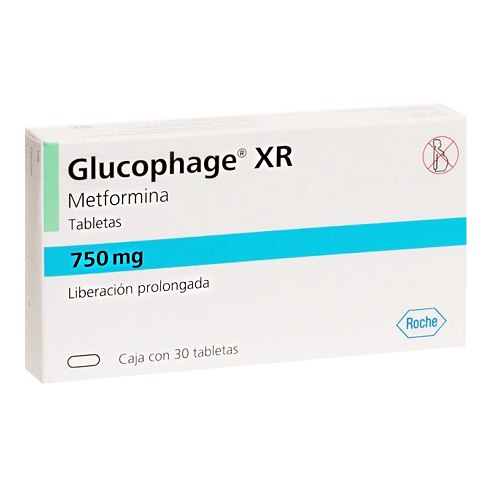
Glucophage (Metformin) in the United States: The Ultimate Clinical and Patient Guide for 2026
Can you obtain Glucophage without a prescription in the United States?
No, Glucophage (metformin) is a prescription-only medication in the United States. It is illegal and unsafe to obtain Glucophage without a valid prescription from a licensed healthcare provider. U.S. pharmacies—both brick-and-mortar and online—require a prescription, and buying from unverified sources poses serious health and legal risks. The U.S. Food and Drug Administration (FDA) strictly regulates the sale and distribution of Glucophage.
Key Facts About Glucophage (Metformin)
| Active Ingredient | Metformin hydrochloride |
| Main Use | Type 2 Diabetes Mellitus management |
| Prescription Status (U.S.) | Prescription required |
| Common Starting Dose | 500 mg once or twice daily |
| Onset of Action | Within days to weeks (max effect: weeks) |
| Absolute Contraindication | Severe kidney impairment (eGFR < 30 mL/min/1.73 m²) |
| Insurance Coverage | Usually covered by Medicare, Medicaid, private insurers |
| Typical Cost (U.S.) | $4–$25/month (generic); branded may be higher |
For the latest details, always consult your local or telehealth provider.
How does Glucophage work? Pharmacology explained
Glucophage, whose active component is metformin hydrochloride, is classified as a biguanide antihyperglycemic agent. Its principal action is reducing hepatic glucose production (gluconeogenesis) and improving insulin sensitivity in peripheral tissues, especially skeletal muscle. Metformin does not stimulate insulin secretion; instead, it enhances the body’s natural response to insulin.
- Primary mechanism: Inhibits mitochondrial respiratory-chain complex I, reducing ATP production and activating AMP-activated protein kinase (AMPK). This leads to decreased liver glucose output.
- Secondary effects: Increases glucose uptake by muscles, decreases intestinal absorption of glucose, and favorably alters lipid profiles.
- No effect on beta-cell insulin secretion: This means the risk of hypoglycemia is low unless combined with other medications that lower blood sugar.
Metaphor: Think of Glucophage as a coach, not a player—it tells your liver and muscles to use glucose more wisely, but doesn’t force insulin to “play harder.”
Pharmacokinetics: Metformin is absorbed mainly in the small intestine, reaches peak plasma concentration in 2–3 hours (immediate-release), and is not metabolized by the liver. It is excreted unchanged via the kidneys. The typical half-life is about 6.2 hours in patients with normal renal function.
(Source: FDA, PubMed, 2024 Clinical Pharmacology Update)
Myth: Glucophage works immediately after the first tablet.
Reality: It may take several days or weeks to see full blood sugar–lowering effects.
Expert Commentary from doctor
One pattern I see in clinic is patients expecting metformin to control their blood sugar overnight, or to compensate for dietary excesses. In reality, its effects are best judged by tracking A1C over 2–3 months, not by one-off glucometer readings. Another issue: many patients stop metformin due to mild digestive upset (nausea or loose stools) in the first week. This is usually temporary and can often be minimized by starting with a low dose and taking the tablet with food. It’s also critical to inform your provider about new kidney problems; metformin is safe for most, but not all, people with reduced kidney function. And remember: always check with your doctor before combining metformin with other blood sugar–lowering drugs to avoid unexpected hypoglycemia.
How to take Glucophage: Dosage, timing, and duration
| Formulation | Starting Dose | Usual Maintenance | Maximum Daily Dose | Splitting Allowed? |
|---|---|---|---|---|
| Immediate-release | 500 mg once/twice daily | 1000–2000 mg/day (divided) | 2550 mg (divided) | Yes, scored tablets only |
| Extended-release (XR/ER) | 500 mg once daily (evening) | 1000–2000 mg once daily | 2000 mg | No, do not crush/split |
- Take with meals to reduce stomach upset.
- Titrate slowly: Increase by 500 mg weekly as tolerated.
- Peak effect: Not immediate—full benefit is seen after several weeks.
- Special populations: Elderly (≥65 years) and those with impaired kidney function may need dose reduction. Always check eGFR before initiation and periodically during use.
Never exceed the maximum recommended dose (2550 mg/day for immediate release, 2000 mg/day for extended release). Overdosing increases the risk of lactic acidosis, a life-threatening complication.
Missed dose? Take as soon as you remember, unless it’s almost time for the next dose. Never double the dose.
Food, alcohol, and lifestyle: What affects Glucophage absorption?
- Food: Taking Glucophage with meals slows absorption slightly, but greatly reduces gastrointestinal side effects. Extended-release forms are best taken with the evening meal.
- High-fat meals: May modestly delay absorption, but do not significantly affect total exposure.
- Grapefruit juice: No significant interaction reported.
- Alcohol: Strictly limit or avoid. Alcohol increases risk of lactic acidosis, especially in heavy drinkers or those with liver/kidney impairment. Official U.S. guidelines recommend no more than one standard drink daily for women, two for men, but ideally discuss with your doctor before any alcohol use.
(Source: ADA Standards of Care 2025) - Supplements and herbal products: Always check for possible interactions. St. John’s Wort, for example, has no known effect, but some agents may theoretically alter kidney function.
Bottom line: Take Glucophage with food, avoid binge drinking, and discuss any new supplements with your healthcare provider.
Who should NOT use Glucophage? Contraindications and red flags
| Type | Condition | Explanation |
|---|---|---|
| Absolute | Severe kidney impairment (eGFR <30 mL/min/1.73 m²) | Metformin is excreted by kidneys; risk of lactic acidosis increases sharply at low filtration rates. |
| Absolute | Acute or chronic metabolic acidosis (including diabetic ketoacidosis) | May worsen acidosis or mask symptoms. |
| Absolute | Severe liver disease | Impaired gluconeogenesis and higher risk of lactic acidosis. |
| Absolute | Excessive alcohol intake (binge drinking, alcoholism) | Synergistically increases lactic acidosis risk. |
| Relative | Heart failure (unstable or requiring hospitalization) | Increased risk of hypoperfusion and acidosis. |
| Relative | Age >80 years | Use with caution; monitor kidney function closely. |
| Relative | Recent imaging with iodinated contrast | Temporarily stop metformin before and for 48 hours after contrast use to avoid kidney injury. |
Critical: If you have had a recent heart attack, major surgery, severe dehydration, or any condition causing low oxygen delivery (e.g., sepsis), metformin should be paused and only restarted after careful evaluation.
What side effects are most common with Glucophage?
- Very common (>10%)
- Gastrointestinal upset (nausea, diarrhea, abdominal pain), metallic taste
- Common (1–10%)
- Loss of appetite, mild weight loss, flatulence
- Rare (<0.1%)
- Decreased vitamin B12 absorption (risk increases with prolonged use), skin rash
- Very rare (<0.01%)
- Lactic acidosis (medical emergency; symptoms: rapid breathing, confusion, muscle pain, abdominal discomfort)
Mechanism: GI side effects are due to changes in gut motility and direct action on the intestinal lining. Lactic acidosis occurs if metformin accumulates due to impaired renal clearance or acute illness.
- If you experience severe vomiting, rapid breathing, confusion, or unusual muscle pain, seek emergency care immediately.
- Long-term users should have vitamin B12 levels checked annually, especially if experiencing neuropathy symptoms.
- Most side effects improve with continued use or dose adjustment.
Compatibility: Can Glucophage be taken with other medications or products?
| Product/Drug | Can it be combined? | Potential consequence |
|---|---|---|
| Insulin or sulfonylureas | Yes, with caution | Risk of hypoglycemia |
| Iodinated contrast agents | No (temporary hold) | Kidney injury; increased lactic acidosis risk |
| ACE inhibitors/ARBs | Yes | Monitor kidney function |
| NSAIDs (ibuprofen, etc.) | Yes, with caution | Monitor for kidney side effects |
| Alcohol | No/restrict | Increased lactic acidosis risk |
| Other oral diabetes meds (GLP-1, SGLT2 inhibitors) | Yes, as directed | May boost glucose-lowering effect |
Always inform your doctor and pharmacist about all drugs and supplements you use.
Tip: Bring an updated medication list to every appointment.
Common Patient Mistakes Observed by doctor
- Stopping the medication due to mild digestive upset. Many patients give up in the first week; instead, ask about dose reduction or switching to extended-release.
- Doubling the next dose after a missed tablet. This raises side effect risk and does not improve blood sugar control. Always skip the missed dose if it’s nearly time for the next.
- Combining with excessive alcohol. Even a single episode of binge drinking can trigger lactic acidosis when using metformin. Avoid or strictly limit alcohol.
- Not informing providers about recent imaging tests. Taking metformin immediately before/after iodinated contrast increases kidney risk. Always mention your diabetes meds when scheduling scans.
- Assuming over-the-counter or herbal supplements are safe with metformin. Some products may alter kidney or liver function; always check with your provider.
- Believing all generics are the same. Some patients are sensitive to inactive ingredients. If you notice new symptoms after switching, discuss with your pharmacist or doctor.
Glucophage vs. alternatives: Comparison with other diabetes medications
| Medication | Main ingredient | Action onset | Peak effect | Common side effects | Monthly cost* | Insurance |
|---|---|---|---|---|---|---|
| Glucophage | Metformin | Days | Weeks | GI upset, rare lactic acidosis | $4–$25 (generic) | Widely covered |
| Jardiance | Empagliflozin | Within days | Weeks | UTIs, thirst, genital infections | $475–$600 | Usually, but co-pay varies |
| Ozempic | Semaglutide (injectable) | Within days | Weeks | Nausea, GI upset, rare pancreatitis | $900–$1000 | Some plans, prior auth often required |
| Glipizide | Glipizide | Hours | Within 1–2 hours | Hypoglycemia, weight gain | $10–$30 | Widely covered |
*All prices are approximate retail cost for a 30-day supply in major U.S. cities (e.g., Chicago, Houston, Los Angeles) as of Q1 2026. Insurance, coupons, or patient assistance programs may reduce out-of-pocket costs.
- Advantage of Glucophage: Cost-effective, low hypoglycemia risk, proven cardiovascular benefit in some populations.
- Drawbacks: GI side effects in some, not for severe kidney/liver disease.
- Alternatives: May be preferred if metformin is not tolerated or in patients with specific comorbidities (e.g., cardiovascular disease, heart failure).
Questions Frequently Asked to doctor
- Can I take Glucophage if I have mild kidney disease?
- The answer depends on your eGFR (a measure of kidney function). If it’s above 45 mL/min/1.73 m², metformin is generally safe. Between 30–45, lower doses and frequent monitoring are recommended. Below 30, it’s not advised.
- Will Glucophage cause me to lose weight?
- Some people experience modest weight loss, while others remain stable. It’s not a weight loss medication but may help prevent weight gain compared to other diabetes drugs.
- What if I miss a dose?
- Take the missed dose as soon as you remember unless it’s almost time for your next dose. Never double up. Skipping one dose is not dangerous, but frequent missed doses reduce effectiveness.
- Is it safe to combine Glucophage with insulin?
- Yes, many people use both, but your provider may need to adjust your insulin dose to prevent low blood sugar. Monitor your glucose closely when starting new combinations.
- I have stomach upset. Should I stop Glucophage?
- Mild GI symptoms are common at first and often improve. Taking the tablet with food or asking about extended-release forms can help. Contact your doctor if symptoms are severe or last more than a week.
- Can I drink alcohol while taking Glucophage?
- It’s best to minimize or avoid alcohol, as it increases the risk of a serious side effect called lactic acidosis. If you do drink, keep it to one standard drink for women, two for men, and never binge.
- Is Glucophage safe during pregnancy?
- Metformin can be used during pregnancy under specialist supervision, especially for certain conditions like gestational diabetes or polycystic ovary syndrome. Never start or stop without consulting your provider.
Key Characteristics Table: Glucophage at a Glance
| Parameter | Value |
|---|---|
| Active Ingredient | Metformin hydrochloride |
| Drug Class | Biguanide |
| Bioavailability | 50–60% |
| Peak Plasma Time | 2–3 hours (IR), 7 hours (XR) |
| Half-life (T1/2) | ~6.2 hours |
| Elimination | Renal, unchanged |
| Common Side Effects | Nausea, diarrhea |
| Rare Serious Risks | Lactic acidosis |
| Pregnancy Category | Generally considered safe with specialist oversight |
| Driving/Machinery | No impairment expected |
How to obtain Glucophage legally in the United States: Step by step
- Consult a licensed healthcare provider. You can do this in person or via a telehealth platform operating in your state (e.g., Teladoc, Amwell, your insurer’s digital service).
- Undergo evaluation. Your doctor will review your medical history, blood work (especially kidney and liver function), and current medications.
- Receive a prescription. If appropriate, the provider will issue an electronic prescription.
- Fill the prescription at a U.S.-licensed pharmacy. Choose a local pharmacy (e.g., CVS, Walgreens, Rite Aid) or a U.S.-accredited online pharmacy (look for VIPPS or LegitScript validation badges).
- Insurance and co-pay. Present your insurance card for potential coverage. Many plans cover generic metformin at minimal cost; branded Glucophage may require higher co-pays.
- Pickup or delivery. Pick up in person or arrange home delivery through pharmacy services (especially helpful in major U.S. cities like New York or San Francisco).
Never use websites that offer metformin without a prescription or ship from outside the U.S. These products may be counterfeit, unsafe, or seized by customs, and you may face legal consequences.
How to spot counterfeit Glucophage and genuine generics
- Original Glucophage packaging (U.S.): Box with “Glucophage” branding, manufacturer (e.g., Bristol-Myers Squibb), National Drug Code (NDC) printed, tamper-evident seal, and FDA approval statement.
- Tablet characteristics: White, round or oval tablets; engraved with strength (e.g., “500” or “850”); blister packs or bottles.
- Security features: Some packs include QR codes or hologram stickers. Cross-check batch/lot number with pharmacy records.
- Generics: Many generics are FDA-approved and safe. They may differ in shape, color, or excipients, but active ingredient and efficacy are equivalent. Brands include Teva, Sandoz, Mylan, among others.
- Warning signs for counterfeits:
- Unusually low price “offers” far below retail
- Product shipped from outside the U.S. without prescription
- Misspelled packaging, missing NDC, or no FDA labeling
- No information leaflet or batch number
Generics are not inferior. Most patients do well on generic metformin. Allergies to fillers are possible but rare; if you notice a rash or new symptoms after switching, consult your provider.
What to do in case of Glucophage overdose?
- Stop taking the medication immediately.
- Call 911 or your regional emergency number without delay (even if you feel well).
- Inform medical staff about the dose and time taken, and bring the medication packaging if possible.
- Do not attempt home remedies or wait for symptoms; lactic acidosis develops rapidly and is potentially fatal.
- If instructed, go to the nearest emergency department. Hemodialysis may be required in severe cases.
Symptoms of overdose/lactic acidosis: Weakness, rapid breathing, severe nausea, abdominal pain, confusion, muscle cramping.
Special considerations for seniors, children, and other groups
- Seniors (age >65): Use with caution. Kidney function may decline with age, so regular monitoring of eGFR is essential. Dose adjustments are often needed.
- Children/adolescents: Metformin is FDA-approved for children ≥10 years with type 2 diabetes. Dosing starts lower and is adjusted upward; pediatric specialist involvement is recommended.
- Women of childbearing potential: Metformin is often continued during pregnancy in women with polycystic ovary syndrome (PCOS) or gestational diabetes under specialist guidance. Discuss family planning with your provider.
- Concurrent illnesses: Any acute illness (e.g., severe infection, dehydration) may require temporary discontinuation of metformin. Inform your doctor promptly if hospitalized.
- Driving/operating machinery: Metformin alone does not impair alertness or psychomotor skills. However, hypoglycemia can occur when combined with other agents.
Living with type 2 diabetes: Psychological aspects and support
Managing type 2 diabetes is challenging, but you are not alone. Millions of Americans rely on medications like Glucophage as part of a comprehensive diabetes plan. Many patients feel overwhelmed at first—this is normal. It’s important to talk openly with your healthcare provider, seek support from family, and consider joining a diabetes education group or counseling, especially if you feel discouraged. Remember, effective management is achievable with the right information and support.
Professional Opinion of doctor
In my clinical experience, Glucophage (metformin) remains the backbone of type 2 diabetes therapy for most adults in the United States. It is especially beneficial for newly diagnosed patients, those with overweight or obesity, and those seeking a low-cost, evidence-based treatment with a low risk of hypoglycemia. I advise my patients that Glucophage works best as part of a broader program: lifestyle modification, regular glucose monitoring, and periodic reassessment of kidney and liver function. Patients with advanced kidney disease, significant liver dysfunction, or a history of lactic acidosis should not use this drug. In some cases—such as those needing aggressive blood sugar lowering or with certain heart conditions—alternatives like SGLT2 inhibitors or GLP-1 agonists may be preferred despite higher costs or injection requirements. Ultimately, the choice of medication should be individualized, balancing efficacy, safety, patient preference, and cost.
FAQ: Quick answers to common Glucophage questions
- Is Glucophage the same as metformin?
- Yes. Glucophage is a brand name; its active ingredient is metformin hydrochloride.
- How long does it take for Glucophage to start working?
- Blood glucose may begin to improve within days; full effects are usually seen after several weeks.
- Is Glucophage safe for long-term use?
- For most people, yes—provided kidney and liver function are monitored regularly.
- Can I stop Glucophage once my sugar is controlled?
- Discontinuation should only occur after consulting your doctor. Stopping suddenly may cause blood sugar to rise.
- Do I need a prescription for Glucophage in the U.S.?
- Yes, a prescription is required by law.
- What is the typical cost of Glucophage?
- Generic metformin costs around $4–$25/month in most U.S. pharmacies; branded versions are more expensive.
- Is it safe to use Glucophage with other diabetes medications?
- Usually, yes, but dosage and monitoring may need adjustment. Always check with your provider.
- What should I do if I experience severe nausea or weakness?
- Seek medical attention immediately; these could be signs of lactic acidosis or another serious issue.
References
- Food and Drug Administration (FDA) – https://www.fda.gov/
- American Diabetes Association – Standards of Medical Care in Diabetes 2025 – https://professional.diabetes.org/
- Mayo Clinic – Metformin (Oral Route) – https://www.mayoclinic.org/
- National Institutes of Health: MedlinePlus – Metformin – https://medlineplus.gov/
- Bristol-Myers Squibb, Glucophage Prescribing Information, 2025
- ClinicalTrials.gov – https://clinicaltrials.gov/
- PubMed – Recent Reviews on Metformin’s Mechanism and Safety – https://pubmed.ncbi.nlm.nih.gov/
 Weeks 1–3