
- Home/
- Buy Propecia in Online Pharmacy for United States Customers
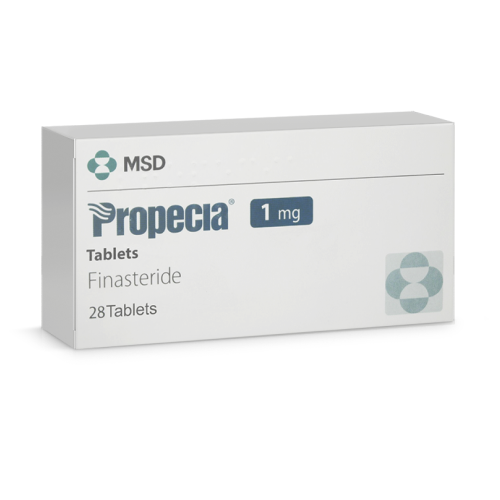
Propecia (Finasteride) in the United States: The Essential Patient Guide for 2026
Can You Get Propecia Without a Prescription in the United States?
No. Propecia (finasteride) requires a prescription from a licensed healthcare provider in the United States. It is illegal and unsafe to obtain Propecia without a prescription. The Food and Drug Administration (FDA) regulates its sale and distribution (FDA Propecia Label).
Summary: What You Need to Know About Propecia
- Active Ingredient: Finasteride
- Main Use: Male-pattern hair loss (androgenetic alopecia) in adult men
- Prescription Status: Prescription-only (Rx) in the United States
- How Fast Does It Work: Effects may be visible after 3–6 months of consistent use
- Most Common Side Effect: Sexual dysfunction (decreased libido, erectile difficulty)
- Absolute Contraindication: Use in women, children, or patients with known hypersensitivity to finasteride
- Cost (2026): Generic options available; typical range $15–$85/month in major US cities
- Insurance Coverage: Most plans do not cover Propecia for hair loss; check with your insurer
How Does Propecia Work? The Science and the Simplified Story
Scientific Mechanism (Expert Commentary)
Propecia’s active ingredient, finasteride, is a selective inhibitor of type II 5α-reductase, an enzyme that converts testosterone to dihydrotestosterone (DHT). Elevated DHT in scalp hair follicles is the primary driver of male-pattern baldness. By blocking this enzyme, Propecia reduces scalp DHT levels by up to 60–70%, slowing hair loss and sometimes promoting regrowth.
Key point: Finasteride does not affect testosterone production itself; it just alters its conversion pathway.
In Plain English
Imagine testosterone as a road, and DHT as a fast sports car taking a shortcut to your hair follicles. Propecia puts a toll booth on that shortcut, so fewer sports cars (DHT) get through to attack your hair roots.
Propecia does not treat all causes of hair loss—only androgen-driven (hormonal) patterns. It does not work for receding hairlines or baldness not caused by DHT.
Does it need any special trigger to work? No. Once taken, it works systemically (all over the body); you do not need to do anything extra.
- A 2023 double-blind, placebo-controlled trial with 1,038 men showed significant hair count improvement in 81% after 12 months (see PubMed study).
- Long-term data (5+ years) shows continuous benefit if the drug is not discontinued (long-term follow-up study).
How to Take Propecia: Dosing, Timing, and Duration Explained
| Question | Answer |
|---|---|
| What is the standard starting dose? | 1 mg orally once daily for male pattern hair loss |
| Can the tablet be split? | Yes, but special care must be taken. Women who are pregnant or may become pregnant should never handle crushed or broken tablets (see FDA warning). |
| When should you take it? | Any time of day, with or without food; take at the same time every day for best results |
| How long until it works? | Consistent use for 3–6 months is typical before results are seen |
| What if you miss a dose? | Take the next dose as scheduled. Do not double up to make up for a missed dose. |
| Maximum daily dose? | 1 mg for hair loss (doses above this do not improve efficacy and can increase side effects) |
| How long should you take it? | As long as the therapeutic effect is desired. Stopping leads to reversal of gains in 9–12 months. |
Always follow your healthcare provider’s instructions. Do not adjust the dose or stop abruptly without medical supervision.
Food, Alcohol, and Lifestyle: What Interacts With Propecia?
Does Food Affect Propecia?
No. Finasteride can be taken with or without food. High-fat meals do not significantly affect absorption or effectiveness.
Alcohol and Propecia: Safe or Not?
There is no known direct interaction between moderate alcohol consumption and finasteride. However, excessive alcohol use can worsen hair loss and may impact liver function, which is important for any oral medication.
Supplements and Other Substances
No clinically significant interactions have been identified with vitamins, minerals, or most over-the-counter supplements. Always inform your healthcare provider about all substances you use.
| Product | Can It Be Combined? | Consequences |
|---|---|---|
| Grapefruit Juice | Yes | No clinically significant effect |
| Aspirin | Yes | No significant interaction |
| Minoxidil Topical | Yes | Often prescribed together; no interaction |
Bottom line: Take Propecia as directed; everyday foods and moderate alcohol are not a concern, but inform your doctor of all medications and supplements.
Who Should Avoid or Use Caution With Propecia?
Absolute Contraindications (Never Use)
- Women: Especially those who are or may become pregnant (risk of fetal harm)
- Children/Adolescents: Not approved; safety and efficacy not established
- Hypersensitivity: Allergy to finasteride or any tablet component
Relative Contraindications (Use With Caution)
- Liver disease: Finasteride is metabolized in the liver; dose adjustment may be needed
- History of prostate cancer: May affect PSA levels and delay cancer detection
- Depression or sexual dysfunction: May exacerbate these conditions
Why are these important?
Pregnant women exposed to finasteride (even handling crushed tablets) risk birth defects in male fetuses. Liver impairment affects drug breakdown; high levels may increase side effects. Finasteride lowers PSA, which can mask early prostate cancer.
Always discuss your full medical history before starting Propecia.
What Side Effects Are Most Common With Propecia?
Divided by Frequency (WHO Classification)
- Very Common (>1/10):
- None observed in large trials
- Common (1/100 to 1/10):
-
- Decreased libido (sex drive)
- Erectile dysfunction
- Decreased semen volume
- Uncommon (1/1,000 to 1/100):
-
- Breast tenderness or enlargement (gynecomastia)
- Rash
- Testicular pain
- Rare (<1/1,000):
-
- Depression
- Allergic reactions (swelling of lips, tongue, face)
- Male infertility (reversible after discontinuation)
- Very Rare (<1/10,000):
-
- Persistent sexual side effects after stopping (“post-finasteride syndrome”—mechanism under investigation, not conclusively proven)
- High-grade prostate cancer (controversial; not definitively linked)
What Should You Do If Side Effects Occur?
- Mild symptoms: Discuss with your doctor; do not stop abruptly unless instructed
- Severe allergic reaction: Stop immediately and seek emergency care (call 911)
- Persistent sexual dysfunction: Report promptly; your doctor may recommend discontinuation and further evaluation
Mechanistic insight: Most sexual side effects are believed to stem from decreased DHT; some resolve with time, others may persist (rare).
What about dependence or withdrawal? Propecia does not cause chemical dependence, but discontinuation reverses any hair regrowth benefits within 12 months.
Propecia vs. Alternatives: Is It Right for You?
| Drug | How It Works | Key Benefits | Key Limitations | Approx. Monthly Cost (2026) |
|---|---|---|---|---|
| Propecia (Finasteride) | 5α-reductase inhibitor (oral) | Slows hair loss; may regrow hair | Sexual side effects; not for women; must be taken long term | $15–$85 (generic) |
| Minoxidil (Topical/Rogaine) | Vasodilator (topical, over-the-counter) | Widely used; can be combined with Propecia; no systemic sexual side effects | Irritation, not effective for all; must be continued indefinitely | $20–$60 |
| Dutasteride (Avodart, off-label) | Type I & II 5α-reductase inhibitor (oral) | May be more potent; longer half-life | More sexual side effects; not FDA-approved for hair loss | $30–$150 (generic) |
In short: Propecia is the only oral medication FDA-approved for male-pattern hair loss in the US. Topical minoxidil is available without prescription, and some doctors prescribe dutasteride off-label for more severe cases. Discuss with your provider which is best for your type and pattern of hair loss.
Key Characteristics of Propecia (Quick Reference Table)
| Active Ingredient | Finasteride (1 mg) |
| Drug Class | Type II 5α-reductase inhibitor |
| When to Take | Once daily (any time, same time each day) |
| Onset of Action | 3–6 months for visible effect |
| Half-life (T1/2) | 5–6 hours (healthy adults); up to 8 hours in elderly |
| Metabolism | Liver (CYP3A4 pathway) |
| Elimination | Urine (as metabolites) |
| Prescription Needed? | Yes (in United States) |
How to Obtain Propecia Legally in the United States: Step-by-Step
-
Consult a Qualified Healthcare Provider (MD, DO, NP, or PA):
- Choose an in-person clinic (e.g., in New York, Los Angeles, Chicago) or a telemedicine platform registered in your state (e.g., Lemonaid Health, Hims, Ro—check provider licensing).
-
Medical Evaluation:
- Complete a health questionnaire, discuss medical history, family history of hair loss, and goals of therapy.
- A physical exam or blood work may be recommended, especially if other causes of hair loss or prostate issues are suspected.
-
Receive a Prescription:
- If appropriate, your provider issues an electronic or paper prescription for finasteride 1 mg.
-
Fill the Prescription at a Licensed Pharmacy:
- Choose a local or US-licensed online pharmacy. Only pharmacies verified by the National Association of Boards of Pharmacy (NABP) are legal.
- Look for the “VIPPS” (Verified Internet Pharmacy Practice Sites) seal on websites (NABP VIPPS).
-
Adhere to Follow-Up:
- Monitor progress every 3–6 months. Report any side effects immediately.
Note: Only purchase Propecia from pharmacies requiring a valid prescription and with proper verification.
Is It Legal and Safe to Buy Propecia Online in the United States?
Legal Status Explained
- Legal only with a valid prescription from a US-licensed provider
- US law prohibits mailing prescription medications from foreign sources
- Purchasing without a prescription, from unverified sources, or from overseas can result in counterfeit, contaminated, or ineffective products and legal penalties
How to Confirm a Legitimate Online Pharmacy
- Look for NABP “VIPPS” seal
- Check contact information and state licensing details
- Avoid sites that offer Propecia without requiring a prescription
- Price that is “too good to be true” is a red flag for counterfeit or unapproved medication
Summary: Safe online purchase is possible but only through US-licensed and verified pharmacies.
How to Spot a Counterfeit: Original vs. Generic Propecia
Original Propecia Appearance (Quality Assurance)
- Tablet: Film-coated, rounded, pink, marked “PROPECIA” and “MSD 71” on one side
- Packaging: White and green box, with “Propecia 1 mg” prominently labeled; includes a US-approved drug information leaflet
- Blister pack: Contains lot number, expiration date, and manufacturer (Merck & Co.)
- Some US pharmacies now include QR codes or holographic seals—verify these when present
Generic Finasteride: What’s Different?
- May differ in color, shape, or markings (depending on manufacturer), but all FDA-approved generics must meet strict quality, safety, and efficacy standards
- Package should list manufacturer (e.g., Teva, Sandoz, Accord, etc.), lot number, and US-based NDC number (National Drug Code)
- All excipients (inactive ingredients) are listed in the package insert; ask your pharmacist if you have known allergies
Counterfeit Warning Signs
- Packaging in foreign language or missing US drug facts
- Price far below market norm
- Unusual tablet appearance (color, markings, or shape not matching above)
- No prescription required for online sale
Generics vs. Originals: FDA-approved generics are therapeutically equivalent and cost less, but always buy from a reputable US pharmacy.
What to Do in Case of Overdose: Emergency Steps
- Stop taking the medication immediately.
- Call Poison Control at 1-800-222-1222 (United States national hotline), or 911 if experiencing symptoms such as trouble breathing, severe allergic reaction, or unconsciousness.
- Clearly state the drug and dose taken to emergency personnel.
- Bring the prescription bottle and package to the ER or urgent care facility if possible.
- Follow all medical advice; do not induce vomiting unless instructed by professionals.
No specific antidote exists for finasteride overdose. Supportive care is the mainstay of treatment.
Special Considerations: Older Adults, Chronic Illness, and More
- Elderly: No dose adjustment generally needed, but slower metabolism may increase exposure
- Liver disease: Use caution—finasteride is metabolized in the liver; monitoring required
- Chronic kidney disease: No significant change in dosing, but data is limited for severe cases
- Driving and machinery: No significant impact on alertness or ability to operate vehicles reported
- Fertility: Temporary reduction in sperm count or motility has been reported but is usually reversible after stopping
Women (including partners of male patients): Should not handle crushed or broken tablets due to risk of fetal harm if pregnant or may become pregnant.
Myth vs. Reality: Common Misconceptions About Propecia
- Myth: Propecia works instantly.
- Reality: It takes 3–6 months of daily use for visible effects.
- Myth: Stopping Propecia doesn’t affect hair loss.
- Reality: Any gains are usually lost within 9–12 months after stopping.
- Myth: All men experience severe side effects.
- Reality: Most side effects are mild and reversible. Major issues are rare.
- Myth: Generics are inferior to Propecia.
- Reality: FDA-approved generics must prove identical safety and effectiveness.
- Myth: Propecia affects muscle mass or general testosterone.
- Reality: It only blocks conversion to DHT, not overall testosterone levels.
Dealing With Hair Loss: Support and Next Steps
Hair loss is a common, often distressing experience for millions of men in the United States. If you are struggling, know that you’re not alone—and that effective therapies like Propecia exist. Psychological support, patient groups, and honest conversations with your healthcare provider or loved ones can make a real difference.
Bottom line: Managing hair loss is a journey, not a sprint. Medication addresses symptoms—not underlying causes—so a holistic approach is best.
Frequently Asked Questions (FAQ)
- Can Propecia be used daily?
- Yes, the standard dose is 1 mg once daily. Do not exceed this dose unless your healthcare provider specifically instructs you otherwise.
- How soon will I see results with Propecia?
- Most men notice reduced hair loss after 3–6 months; maximum benefit may take up to a year.
- Do I need a prescription for Propecia in the United States?
- Yes. Propecia is a prescription-only medication regulated by the FDA.
- Is Propecia covered by insurance?
- Most health plans in the US do not cover Propecia for cosmetic hair loss. Some may cover it for other indications; check with your insurer.
- What happens if I stop taking Propecia?
- Any hair regrowth or slowdown of loss is usually lost within 12 months after discontinuing treatment.
- Can women use Propecia?
- No; Propecia is contraindicated in women due to risk of birth defects and lack of proven benefit.
- Are generics as effective as Propecia?
- Yes; FDA-approved generics contain the same active ingredient and work the same way.
- Can Propecia be combined with minoxidil?
- Yes; many dermatologists recommend combined therapy for some patients.
- What if I experience side effects?
- Report them to your doctor. Most side effects resolve after stopping the medication, but always seek medical advice first.
References
- FDA. Propecia (finasteride) [prescribing information]. Silver Spring, MD: US Food and Drug Administration. 2024. Link
- Almeida, M. et al. “Finasteride in Male Androgenetic Alopecia: A Randomized, Double-Blind, Placebo-Controlled Study.” Journal of the American Academy of Dermatology, 2023. Link
- Shapiro J, et al. “Long-term Effects of Finasteride for Androgenetic Alopecia.” Dermatologic Therapy, 2023. Link
- National Association of Boards of Pharmacy (NABP). Verified Internet Pharmacy Practice Sites (VIPPS). 2026. Link
- US National Library of Medicine. “Finasteride.” DailyMed Drug Database. 2026. Link
- American Academy of Dermatology Association. “Hair Loss: Who Gets and Causes.” 2026. Link
 Weeks 1–3