
- Home/
- Buy Nolvadex Without Prescription in the United States Online
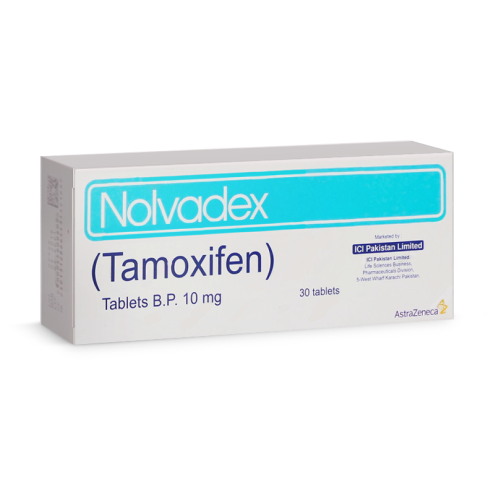
| Brand Name | Nolvadex |
|---|---|
| Main molecule | Tamoxifen |
| Intended use | Hormone receptor-positive breast cancer treatment and prevention |
| Strength variations | 10 mg, 20 mg tablets |
| Time until first effects | Typically within several weeks of daily use |
| Effective window | 24 hours per dose; used as a long-term regimen |
| Administration frequency | Daily oral dosing |
| Prescription necessity | Prescription only in United States |
| Estimated retail cost | $20–$120/month (varies by pharmacy and insurance) |
Nolvadex for Breast Cancer: Guidance and Access in United States
Nolvadex is a prescription medication used for treating and preventing certain types of breast cancer, specifically those that are hormone receptor-positive. It is widely available through regulated pharmacies in the United States and prescribed as part of standard breast cancer care under national guidelines. Navigating this treatment option can feel overwhelming—here’s a clear, stepwise guide to help you understand if, when, and how Nolvadex should be part of your care plan.
Understanding Breast Cancer: You Are Not Alone
Receiving a diagnosis or being at risk for breast cancer can bring uncertainty and anxiety. This is not a solitary journey. According to the American Cancer Society, in 2023, about 297,790 new cases of invasive breast cancer were expected to be diagnosed in women in the United States. Breast cancer is the most frequently diagnosed cancer among women nationwide, but survival rates have improved steadily over the past decades due to early detection and advances in targeted therapies such as Nolvadex. Knowing that millions of women—along with their families and care teams—are facing similar paths can help normalize these fears. Importantly, hormone receptor-positive breast cancer, the main indication for Nolvadex, has particularly effective treatment options today.
How Nolvadex Helps: Mechanism and What to Expect
Nolvadex works by blocking the action of estrogen, a natural hormone that can promote the growth of certain breast cancers. Its active component, tamoxifen, binds to estrogen receptors in breast tissue, preventing estrogen from attaching and activating these cells. As a result, the growth of hormone-sensitive cancer cells is slowed or stopped—the practical effect is to reduce the risk of cancer recurrence or progression.
For the patient, this means Nolvadex may be prescribed to:
- Lower the chance of the cancer returning after surgery or radiation
- Reduce risk in women at high risk but without a current cancer diagnosis
- Treat metastatic (spread) breast cancer
Most people do not feel a physical change right away; the benefit comes over months of consistent use. For those with existing breast cancer, regular follow-up imaging and clinical assessments track the medication’s effectiveness. For prevention, the key effect is a lowered likelihood of developing breast cancer over several years.
Who Is Nolvadex Right For? Making a Personal Choice
| Your situation | Is Nolvadex a good fit? | Why/Why not |
|---|---|---|
| You have been diagnosed with hormone receptor-positive breast cancer (ER+ and/or PR+) | Recommended in most cases | Nolvadex is standard-of-care for treating these cancers due to its estrogen-blocking action |
| You are postmenopausal with hormone receptor-positive breast cancer | Sometimes recommended; alternatives may be preferred | Aromatase inhibitors are often chosen first in postmenopausal women, but Nolvadex is still an option, especially if side effects or contraindications exist for other drugs |
| You have a high risk of developing breast cancer (e.g., family history, genetic mutations) but no current diagnosis | May be appropriate | Nolvadex is FDA-approved for reducing breast cancer risk in high-risk women after careful risk-benefit assessment |
| You have a history of blood clots or deep vein thrombosis | Not recommended | Nolvadex increases the risk of serious blood clots and is typically avoided in these cases |
| You are pregnant or planning to become pregnant | Contraindicated | Nolvadex may harm fetal development and should not be used during pregnancy |
If your situation is not listed above or you have multiple complicating factors (such as liver disease, concurrent medications, or unique tumor biology), a personalized assessment with your oncologist is essential.
How to Use Nolvadex: Real-World Guidance
Nolvadex is taken as a tablet, usually once daily, with or without food. Swallow the tablet whole with water at the same time each day to maintain a steady drug level. Dosage and duration depend on your specific indication—most often, treatment continues for 5 years, though shorter or longer courses may be advised depending on emerging evidence and individual risk.
- If you miss a dose: Take it as soon as you remember. If it’s close to the next dose, skip the missed one—never double up.
- If you experience no noticeable change in symptoms: This is normal. Nolvadex works “behind the scenes” to prevent cancer growth or recurrence, not to relieve symptoms you can feel day-to-day.
- If you vomit shortly after taking Nolvadex: Do not take an extra dose. Resume your regular schedule unless advised otherwise by your doctor.
- If you forget to refill on time: Contact your pharmacy or provider promptly. A gap of several days is not ideal but is unlikely to cause immediate harm if resumed quickly.
Standard follow-up includes regular bloodwork, gynecologic assessments (due to rare uterine side effects), and periodic imaging. These visits help monitor both cancer status and medication safety. If you develop new symptoms or side effects, discuss them promptly with your care team—you may need adjustments.
When Nolvadex Is Not Right: Contraindications Explained
- History of blood clots (deep vein thrombosis or pulmonary embolism): Tamoxifen increases coagulability, which can trigger life-threatening clots in predisposed individuals.
- Pregnancy: Tamoxifen can interfere with fetal development and is strictly avoided during pregnancy or when planning conception.
- Known hypersensitivity to tamoxifen or inactive components: Severe allergy risk means the medication should not be used in these cases.
- Active endometrial cancer: Since tamoxifen can increase the risk of uterine cancer, alternative therapies are usually favored here.
Always inform your oncologist of your full medical history, including any cardiovascular disease, liver problems, or unusual bleeding, as these may require additional precautions or different therapy.
Understanding Side Effects: What to Expect and When to Seek Help
- Common effects: Hot flashes, mild nausea, vaginal discharge, and menstrual irregularities appear in many patients—these usually subside with time or respond to supportive care.
- Uncommon but important: Mood swings, leg swelling, blurred vision, or abnormal vaginal bleeding require prompt medical advice but are often manageable if addressed early.
- Rare but urgent: Sudden shortness of breath, chest pain, severe leg pain, or signs of a stroke (such as weakness or trouble speaking) may signal a serious blood clot. If any of these occur, call 911 immediately in the United States for emergency medical assistance.
Most side effects are manageable and do not require stopping treatment. If you are ever uncertain whether a new symptom is from Nolvadex, do not stop the medication on your own—contact your oncology team for advice.
Potential Drug Interactions: What Should You Avoid?
Nolvadex interacts with several medications, potentially altering its effectiveness or increasing risks:
- Certain antidepressants (SSRIs like paroxetine, fluoxetine): These can inhibit the enzyme that activates tamoxifen, reducing its cancer-fighting effect.
- Blood thinners (warfarin): When combined with tamoxifen, bleeding risk may increase significantly.
- Other cancer therapies: Some targeted agents or chemotherapies may have overlapping side effects—combining them requires careful monitoring.
Always provide your full medication list—including supplements and herbal products—at every medical visit. Your care team can advise whether any changes are needed to avoid dangerous interactions.
Alternatives and Comparisons: Is Nolvadex the Only Option?
| Option | When preferred | Notes/Limitations |
|---|---|---|
| Nolvadex (Tamoxifen) | Premenopausal women; some postmenopausal; high-risk prevention | Long track record, effective for hormone receptor-positive disease, also suitable for men with breast cancer |
| Aromatase inhibitors (e.g., anastrozole, letrozole, exemestane) | Postmenopausal hormone receptor-positive women | Often preferred over tamoxifen in postmenopausal women but can cause more joint pain and bone loss |
| Raloxifene | Breast cancer prevention in high-risk postmenopausal women | Similar preventive benefits, but not used for actual cancer treatment |
| Fulvestrant | Advanced/metastatic breast cancer after resistance to other hormone therapies | Used when first-line hormonal therapies are no longer effective |
No single medication is best for every patient. Nolvadex remains essential for many premenopausal women and for some prevention scenarios, but aromatase inhibitors or other agents may be chosen based on menopausal status, side effect profile, or contraindications. Discussing these options with your oncologist ensures you receive the most appropriate, evidence-based therapy for your situation.
What You Will Actually Pay: Full Cost Breakdown for United States
| Cost item | Amount | Note |
|---|---|---|
| Initial oncology consultation | $150–$350 | Often covered by insurance; may vary by provider |
| Prescription co-pay | $10–$50/month | Varies by insurance plan and pharmacy |
| Nolvadex (Tamoxifen) tablets | $20–$120/month | Generic options usually toward lower end |
| Medication delivery (online pharmacy) | $0–$15 | Some pharmacies offer free shipping; expedited delivery may cost more |
| Total (first month) | $180–$535 | Includes consult, medication, and delivery; insurance may reduce out-of-pocket cost |
| Total (monthly ongoing) | $30–$185 | Medication + prescription co-pay + delivery; ongoing care visits may be less frequent |
In the United States, Nolvadex is only dispensed by prescription from a licensed healthcare provider. Both brick-and-mortar and online pharmacies require a valid prescription—some telemedicine services can facilitate renewal or new prescriptions for eligible patients. Generic tamoxifen offers significant cost savings compared to branded Nolvadex. Most insurance plans cover at least part of the cost, but uninsured patients may find competitive prices at large retail or mail-order pharmacies. Always verify the pharmacy is licensed and, for online purchases, based in the United States to ensure product authenticity and regulatory oversight.
Remaining Questions: Real-World Details and Clarifications
- Is Nolvadex legal and safe to purchase online in United States? Yes, but only from U.S.-licensed pharmacies that require a prescription, as mandated by the U.S. Food and Drug Administration (FDA). Avoid sites that offer Nolvadex without a prescription, as these may sell counterfeit or unsafe products.
- Can I switch between generic tamoxifen and brand-name Nolvadex? Both contain the same active ingredient and are considered equivalent in clinical practice. Some patients may notice subtle differences in pill appearance or inactive ingredients. Always inform your oncologist of any change in manufacturer, especially if new side effects appear.
- How long do I need to take Nolvadex? Most commonly, therapy lasts 5 years, but new research suggests some patients may benefit from 10 years. Your oncologist will tailor the plan to your cancer risk and side effect tolerance.
- What if I move or change insurance during treatment? Keep documentation of your prescription and treatment plan. Your oncology records are portable, and any licensed U.S. provider can continue your care based on established protocols.
Ultimately, the decision to start or continue Nolvadex hinges on your specific medical situation, tolerance for potential side effects, and collaborative planning with your cancer care team. Accurate answers come from open communication with your oncologist—no website or article can fully replace that personalized attention. If your situation is unusual or rapidly changing, prompt contact with your medical provider is essential before making changes to your regimen.
 Weeks 1–3