
- Home/
- Buy Doxycycline at Low Price in the United States Online
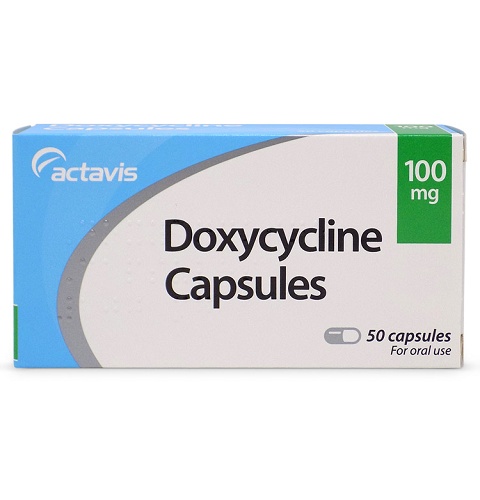
Can You Get Doxycycline Without a Prescription in the United States?
No, Doxycycline is a prescription-only medication in the United States. It is illegal and unsafe to obtain Doxycycline without a valid prescription from a healthcare provider. Federal and state regulations require pharmacists to dispense it only with a prescription to ensure safety and effective use (FDA).
Summary Table: Key Facts About Doxycycline in the United States
| Parameter | Details (2026) |
|---|---|
| Active Ingredient | Doxycycline (various salt forms, e.g., hyclate, monohydrate) |
| Drug Class | Antibiotic (Tetracycline class) |
| Main Uses | Bacterial infections (respiratory, skin, STIs, Lyme disease, acne, malaria prevention) |
| Prescription Requirement | Prescription only in the U.S. |
| Onset Time | Absorbed within 1–2 hours after oral dosing |
| Main Contraindication | Pregnancy (especially 2nd/3rd trimester), children under 8 years, allergy to tetracyclines |
| Price (Typical, 2026) | $0.30–$2.50 per tablet (varies by formulation & pharmacy) |
| Insurance Coverage | Usually covered by most U.S. insurance plans and Medicaid |
How Does Doxycycline Work in the Body? (Pharmacology and Mechanism of Action)
Doxycycline is a broad-spectrum antibiotic belonging to the tetracycline class. Its primary mode of action is the inhibition of bacterial protein synthesis. Specifically, Doxycycline binds reversibly to the 30S ribosomal subunit of susceptible bacteria, blocking the attachment of aminoacyl-tRNA to the mRNA-ribosome complex. This process prevents the addition of new amino acids to a growing peptide chain, causing the bacteria to be unable to produce essential proteins and ultimately inhibiting their replication (PubMed, Mayo Clinic).
Importantly, Doxycycline is bacteriostatic rather than bactericidal: it stops bacteria from multiplying rather than directly killing them. This distinction is critical in deciding when and how to use Doxycycline, particularly in serious infections or immunocompromised patients.
Metaphor: Think of Doxycycline as a factory foreman stopping the assembly line (protein production) in a bacteria plant. The plant can’t make its products and eventually fails, making it easier for your immune system to clear the infection.
Expert Commentary from doctor
How Should Doxycycline Be Taken? (Dosage, Duration, and Administration)
Standard adult dosing:
- Bacterial infections: Typically, 100 mg twice daily for 7–14 days, depending on infection type and severity.
- Acne: 50–100 mg daily for several weeks, as part of a wider skin care protocol.
- Malaria prophylaxis: 100 mg daily, starting 1–2 days before travel and continuing for 4 weeks after leaving the area.
Maximum daily dose for adults: 200 mg (unless otherwise prescribed).
Special populations:
- Older adults: No routine dose adjustment is required, but caution is warranted in those with significant liver impairment.
- Renal impairment: Doxycycline is safe because it does not accumulate significantly in kidney disease, but always inform your doctor if you have chronic kidney disease.
- Children: Generally contraindicated in children under 8 years due to risk of permanent tooth discoloration and bone growth inhibition.
Administration tips: Take with a full glass of water to reduce risk of esophageal irritation. Remain upright for at least 30 minutes after taking. Swallow whole—do not crush or split unless specifically advised (some formulations are not scored).
Doxycycline can be taken with or without food, but absorption may be decreased if taken with high-calcium foods (see below).
Does Food, Alcohol, or Lifestyle Impact Doxycycline Absorption and Effectiveness?
- High-calcium foods (milk, cheese, yogurt):
- Can significantly reduce absorption by forming insoluble complexes in the gut. Space Doxycycline at least 2 hours before or after dairy products.
- Iron supplements & antacids (magnesium, aluminum, calcium carbonate):
- Also decrease absorption. Take Doxycycline 2 hours before or 4–6 hours after these products.
- Fatty meals:
- May delay absorption but don’t significantly reduce total amount absorbed.
- Alcohol:
- Low to moderate consumption (<2 standard drinks/day) is generally not a direct contraindication, but heavy/chronic use can reduce effectiveness and increase liver risk (CDC).
- Grapefruit juice:
- No clinically significant interaction reported with Doxycycline, unlike some other antibiotics.
Bottom line: For best results, take Doxycycline with a full glass of water on an empty stomach, but if stomach upset occurs, small non-dairy meals are acceptable.
Who Should Never Take Doxycycline? Absolute and Relative Contraindications
| Type | Condition | Explanation |
|---|---|---|
| Absolute | Known allergy to tetracyclines | Risk of severe allergic (anaphylactic) reaction |
| Absolute | Pregnant women (especially 2nd/3rd trimester) | Risks of fetal skeletal and dental abnormalities |
| Absolute | Children under 8 years old | Risk of permanent tooth discoloration and bone growth disruption |
| Relative | Significant liver disease | Doxycycline is metabolized in the liver; risk of accumulation |
| Relative | History of esophageal reflux or ulcer | Doxycycline can cause esophagitis; take with water and remain upright |
| Relative | Use with anticoagulants (e.g., warfarin) | May increase anticoagulant effect—requires monitoring |
| Relative | Photosensitivity risk | Patients sensitive to sunlight may experience severe sunburn |
If you have had a recent severe infection (e.g., sepsis), Doxycycline may be less suitable, as bactericidal antibiotics are usually preferred. Always discuss your full medical history with your healthcare provider before starting Doxycycline.
What Side Effects Are Most Common with Doxycycline?
| Frequency | Side Effect | Mechanism/Notes |
|---|---|---|
| Very common (>1 in 10) |
Gastrointestinal upset (nausea, diarrhea) | Direct irritation of stomach lining or alteration of gut flora |
| Common (1 in 100–1 in 10) |
Photosensitivity (sunburn risk), headache, vomiting | Sunlight reactions can be severe. Headache is usually mild. |
| Rare (1 in 1,000–1 in 10,000) |
Esophagitis, allergic rash, Candida (yeast) superinfection | Related to improper administration or prolonged use |
| Very rare | Severe allergic reactions, liver inflammation (hepatitis), pseudotumor cerebri | Require immediate medical attention |
If you experience severe headache, blurred vision, difficulty swallowing, severe skin reactions, or yellowing of the skin/eyes, stop Doxycycline and seek medical help immediately.
Mild side effects (such as nausea) often resolve on their own—speak to your doctor before discontinuing.
Common Patient Mistakes Observed by doctor
- Stopping Doxycycline early because symptoms improve: This increases risk of recurrence and antibiotic resistance. Always finish the full course unless advised otherwise.
- Taking with dairy, iron, or antacids: These can dramatically reduce the absorption and effectiveness. Maintain at least a 2-hour gap.
- Not using sunscreen or protective clothing: Many underestimate the risk of severe sunburn—especially in sunny cities like Miami or Los Angeles. Limit sun exposure and use SPF 30+.
- Lying down immediately after swallowing: Increases risk of esophageal irritation or ulcer. Remain upright for 30 minutes.
- Doubling up after a missed dose: Taking two doses at once increases side effect risk. If you miss a dose, take it as soon as you remember (unless it’s nearly time for the next).
- Self-medicating with leftover antibiotics: Doxycycline is not a “catch-all”—using it inappropriately increases resistance and may delay proper diagnosis.
How Does Doxycycline Compare to Other Common Antibiotics?
| Parameter | Doxycycline | Amoxicillin | Azithromycin |
|---|---|---|---|
| Common Uses | Broad: respiratory, skin, STIs, malaria, Lyme | Ear, throat, urinary, respiratory infections | Respiratory, some STIs, traveler’s diarrhea |
| Onset | 1–2 hours | 1 hour | 2–3 hours |
| Duration of Course | 7–14 days | 7–10 days | 3–5 days |
| Photosensitivity | Yes – common | No | Rare |
| Key Food Interactions | Dairy/calcium – avoid | Minimal | Minimal |
| Price (2026, U.S.) | $0.30–$2.50/tab | $0.10–$1.20/tab | $2.00–$4.00/tab |
| Prescription Required | Yes | Yes | Yes |
| Insurance Coverage | Yes | Yes | Yes |
Bottom line: Doxycycline offers versatility but with unique cautions (sun sensitivity, food interactions). Amoxicillin suits straightforward respiratory or ear infections; azithromycin is preferred for very short courses or for individuals with penicillin allergies.
Questions Frequently Asked to doctor
-
Is it dangerous to stop Doxycycline once my symptoms improve?
Yes, stopping early can allow the infection to return and promotes antibiotic resistance. Always finish your prescribed course unless your doctor instructs otherwise. -
Can I take Doxycycline if I’m pregnant or breastfeeding?
No, Doxycycline is contraindicated during pregnancy (especially after the first trimester) and generally avoided while breastfeeding due to risk of harm to the developing child. -
What if I experience severe nausea or vomiting?
Try taking Doxycycline with a small non-dairy meal. If symptoms persist, contact your provider; a change in formulation or medication may be needed. -
Is it safe to drink alcohol while on Doxycycline?
In moderation, alcohol doesn’t directly interact, but heavy use increases liver risks and may compromise immune response. It’s safest to limit or avoid alcohol. -
What should I do if I miss a dose?
Take it as soon as you remember unless it’s almost time for the next dose—then skip the missed one. Do not double the dose. -
Can Doxycycline cause permanent side effects?
In adults, permanent effects are rare, but in children under 8, it may cause lasting tooth discoloration. Severe allergic reactions, while rare, can be serious—seek medical help immediately if you suspect one. -
How soon will I feel better after starting Doxycycline?
Some improvement is usually noticed within 48–72 hours. If symptoms worsen or do not improve after 3 days, consult your doctor.
Key Characteristics of Doxycycline: Structured Table
| Parameter | Value |
|---|---|
| Standard Adult Dose | 100 mg twice daily |
| Maximum Daily Dose | 200 mg |
| Time to Peak Concentration | 2–3 hours |
| Half-life (T1/2) | 16–22 hours |
| Elimination Route | Primarily fecal (bile), minor renal |
| Driving/Machinery | No direct impact, but rare dizziness possible |
| Fertility Impact | No known direct long-term effect in adults |
Step-by-Step Guide: How to Obtain Doxycycline Legally in the United States
- Consultation: Schedule an appointment with a healthcare provider (primary care, urgent care, or infectious disease specialist) in your state, or use a licensed U.S. telemedicine service.
- Medical Evaluation: The provider will assess your symptoms, review your medical history, and may order relevant tests or cultures to confirm the diagnosis and appropriateness of Doxycycline.
- Prescription: If indicated, the provider will issue an electronic prescription (e-prescription) that is transmitted securely to your chosen pharmacy—either local or a verified online pharmacy.
- Pharmacy Fulfillment: Pick up your prescription in person or arrange for home delivery from a licensed pharmacy. Never use unverified online sources that do not require a prescription; these are often illegal and may sell counterfeit or unsafe medications.
- Insurance/Reimbursement: Most insurance plans, including Medicare and Medicaid, cover Doxycycline. Provide your card at the pharmacy for coverage; copay may apply.
- Follow-up: Report any side effects or lack of improvement to your prescribing provider for further guidance or adjustment.
Is It Legal and Safe to Buy Doxycycline Online in the United States?
Only if you have a valid prescription and use a licensed, U.S.-based pharmacy. U.S. law prohibits the sale of prescription antibiotics without a prescription. The National Association of Boards of Pharmacy (NABP) provides a “VIPPS” seal for verified internet pharmacies. Purchasing from unverified or overseas websites is illegal, risky, and exposes you to counterfeit products—these may not contain any active ingredient or may contain harmful substances. Customs may seize illegal imports, and you could face legal penalties.
Use only pharmacies displaying VIPPS or LegitScript certification (NABP).
How to Recognize Genuine Doxycycline and Avoid Counterfeits
- Original packaging: U.S. Doxycycline comes in blister packs or plastic bottles, with manufacturer name, NDC (National Drug Code), lot number, and expiry date clearly printed.
- Tablet appearance: Most are round, light yellow to orange, or greenish (monohydrate form), sometimes with scoring or engraved initials (e.g., “DAN 5585”).
- Security features: Some manufacturers add QR codes, holograms, or tamper-evident seals. Check for FDA-required labeling elements.
- Price warning: Unusually low prices or lack of prescription requirement is a red flag for counterfeits.
- Generics: U.S. generics are FDA-approved and undergo rigorous quality testing. Generic Doxycycline is chemically identical to the brand (e.g., Vibramycin), but may have different inactive ingredients (excipients) that rarely cause allergies.
Quality Check Block: What Should Doxycycline Look Like?
- Tablet or capsule should be uniform in color, with no powdery residue, chips, or irregularities.
- Packaging must include manufacturer’s name and address, with a readable lot and expiration date.
- Look for the NABP VIPPS or LegitScript logo if ordering online.
- If in doubt, ask your pharmacist to verify authenticity.
Compatibility Checklist: Can Doxycycline Be Used With Other Products?
| Product | Can Combine? | Consequence / Notes |
|---|---|---|
| Aspirin / Acetaminophen | Yes | No significant direct interaction |
| Oral contraceptives | With caution | Doxycycline can rarely reduce efficacy–use backup contraception |
| Warfarin (blood thinner) | With caution | May potentiate effect–INR monitoring needed |
| Iron supplements | No (together) | Reduces absorption–separate by 2+ hours |
| Calcium supplements / Dairy | No (together) | Reduces absorption–separate by 2+ hours |
| Alcohol | Yes, in moderation | Chronic heavy use increases risks |
Pharmacokinetics: How Is Doxycycline Processed and Eliminated?
- Absorption: Highly absorbed by the gut; bioavailability ~95% when taken orally.
- Peak concentration: Achieved in 2–3 hours after ingestion.
- Distribution: Penetrates well into tissues, including lungs and skin.
- Metabolism: Minimal liver metabolism compared to other tetracyclines.
- Elimination: Primarily via bile/feces; minor renal excretion—safer in kidney disease.
- Half-life (T1/2): 16–22 hours, allowing once or twice daily dosing.
Practical Example: This means people with mild-to-moderate kidney impairment do not need dose adjustments, but those with severe liver disease should discuss alternative options.
Myth vs Reality: Quick Insights About Doxycycline
- Myth: “Doxycycline is a cure-all antibiotic.”
Reality: Its use is limited by bacterial resistance and specific spectrum of activity. Not all infections respond. - Myth: “It’s safe to stop as soon as you feel better.”
Reality: Stopping early increases recurrence risk and antibiotic resistance. - Myth: “It works instantly.”
Reality: Most users notice improvement in 48–72 hours, but the full effect depends on infection type.
Specific Patient Groups: Doxycycline Safety Considerations
- Pregnancy: Contraindicated, especially after the first trimester (risk of harm to fetus).
- Children: Generally avoided under age 8 due to dental and bone risks.
- Elderly: No routine dose changes, but monitor for liver issues.
- Liver or kidney disease: Safe in mild-moderate kidney disease; avoid or use with caution in significant liver dysfunction.
- Driving/machinery: No specific warnings, but rare cases of dizziness or blurred vision reported.
- Fertility: No evidence of long-term harm in adults at standard doses.
Original vs Generic Doxycycline: Is There a Difference?
Brand names: Vibramycin, Doryx, Oracea (among others).
Generics: Widely available; identical active ingredient and efficacy per FDA standards. Generics may differ in appearance, shape, or inactive ingredients (fillers, dyes). Allergic reactions to excipients are rare but possible, especially in those with multiple allergies.
- Generics advantage: Significantly lower cost (as little as $0.30 per tablet), identical clinical effect.
- Brand advantage: Occasionally preferred for special-release formulations or specific patient allergies.
Both types require a prescription and go through rigorous FDA approval processes. If you experience a reaction to a specific generic, ask your pharmacist for an alternative manufacturer.
What Should I Do If Doxycycline Doesn’t Work?
- Check adherence: Did you miss doses or take it with interfering products (dairy, iron)?
- Contact your provider: A follow-up may be needed to reassess diagnosis or get a culture/sensitivity test.
- Avoid self-medicating: Never add or switch antibiotics on your own.
- Do not double up on doses: Continue as prescribed until advised otherwise.
- If you develop new or worsening symptoms (e.g., high fever, rash, shortness of breath), seek medical attention promptly.
Doxycycline resistance is increasing in some bacteria (CDC); sometimes a different antibiotic may be necessary.
What to Do in Case of Doxycycline Overdose?
- Stop Doxycycline immediately.
- Call Poison Control (1-800-222-1222 in the U.S.) or seek emergency care.
- Report the amount taken, timing, and any symptoms (vomiting, confusion, severe rash).
- Bring the medication packaging with you to the hospital if possible.
- Do not attempt to induce vomiting unless instructed by a professional.
Serious overdoses may require hospital monitoring, IV fluids, and supportive care.
Psychological Support: You’re Not Alone
Many people feel anxious or frustrated about recurrent infections or chronic conditions requiring antibiotics. Remember, these issues are common, and seeking appropriate care is a sign of strength—not weakness. If you’re struggling emotionally, consider discussing concerns with a qualified mental health professional or support group. Open communication with loved ones can also help reduce stress during treatment.
Professional Opinion of doctor
Frequently Asked Questions (FAQ) About Doxycycline in the United States
- Is Doxycycline available without a prescription in the U.S.?
- No, it is prescription-only. Buying it without a prescription is illegal and unsafe.
- How fast does Doxycycline work?
- Most people see improvement within 2–3 days, but the full course must be completed.
- Can I take Doxycycline with birth control?
- It’s generally safe, but rare interactions can reduce contraceptive effectiveness. Use backup protection if concerned.
- Is it safe to use in children?
- Doxycycline is not recommended for children under 8 due to risks to teeth and bones.
- Should I avoid sun exposure while on Doxycycline?
- Yes, use sunscreen and protective clothing, as Doxycycline increases sensitivity to sunlight.
- Can I take it with food?
- Yes, but avoid calcium-rich foods and supplements close to dosing to maximize absorption.
- What if my pharmacy offers Doxycycline much cheaper than others?
- Be cautious: extreme price differences can signal counterfeit products. Always use licensed pharmacies and check for authentic packaging.
- Does insurance cover Doxycycline?
- Most health insurance plans, including Medicare and Medicaid, cover it with a small copay.
References
- U.S. Food and Drug Administration. “Doxycycline Label Information.” Accessed 2026. https://www.fda.gov/
- Mayo Clinic. “Doxycycline (Oral Route) Description and Brand Names.” Accessed 2026. https://www.mayoclinic.org/
- PubMed. “Recent Advances in Doxycycline Use: 2024 Clinical Review.” Accessed 2026. https://pubmed.ncbi.nlm.nih.gov/
- Centers for Disease Control and Prevention. “Antibiotic Resistance and Doxycycline.” Accessed 2026. https://www.cdc.gov/
- National Association of Boards of Pharmacy. “VIPPS Accredited Pharmacies.” Accessed 2026. https://nabp.pharmacy/
- Official Manufacturer Product Information (e.g., Pfizer, Teva). Accessed 2026.
If you have more questions about Doxycycline, or about bacterial infections and their treatment, consult a qualified healthcare provider or pharmacist in your state. For more information about Doxycycline’s mechanism, alternatives, or infection-specific therapy, see related articles on our site or the FDA’s official portal.
 Weeks 1–3