
- Home/
- Buy Clomid Without Prescription in the United States Online
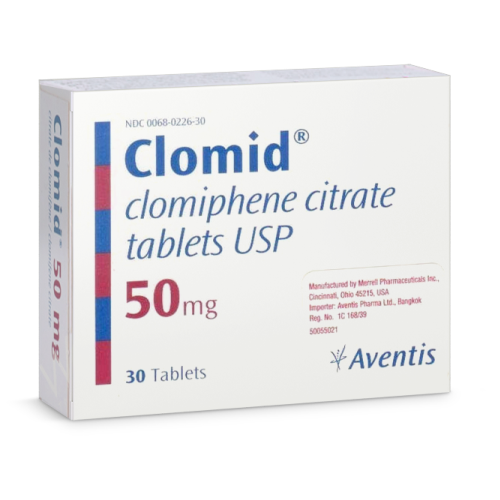
Clomid (Clomiphene) in the United States: The Comprehensive Medical Guide for 2026
Can You Obtain Clomid Without a Prescription in the United States?
No, Clomid (clomiphene citrate) is classified as a prescription-only medication in the United States. It is illegal and potentially unsafe to obtain it without a valid prescription from a licensed healthcare provider. U.S. law requires a documented diagnosis and medical supervision for its use in treating female infertility.
Key Facts at a Glance: Clomid in the U.S.
- Active Ingredient: Clomiphene citrate
- Main Use: Female infertility due to ovulatory dysfunction
- Prescription Status (2026): Prescription-only, FDA-regulated
- Typical Starting Dose: 50 mg daily for 5 days per treatment cycle
- Common Side Effect: Hot flashes
- Peak Effect: Typically 5-10 days after starting the cycle
- Availability: Original and generic versions; generics usually less expensive
- Legal Purchase: Only through licensed pharmacies with a prescription
- Cost (2026): $15–$65 per cycle (varies by brand, insurance, and location)
How Does Clomid Work? Mechanism of Action Explained
Clomid (clomiphene citrate) is a nonsteroidal selective estrogen receptor modulator (SERM). Its primary action is on the hypothalamus—a region of the brain critical in controlling hormone release. Clomid binds to estrogen receptors in the hypothalamus, effectively blocking the body’s own estrogen from binding. This ‘tricks’ the brain into sensing low estrogen levels.
In response, the hypothalamus releases increased amounts of gonadotropin-releasing hormone (GnRH), which then stimulates the pituitary gland to release two crucial hormones: follicle-stimulating hormone (FSH) and luteinizing hormone (LH). These hormones prompt the ovaries to develop and mature follicles, leading to ovulation (release of an egg).
Simple Metaphor: Think of Clomid as a coach who covers the scoreboard, making the team (your brain) believe they’re behind. The coach then urges the team to play harder (release more FSH and LH), resulting in a stronger performance (ovulation).
Does Clomid work for everyone? No. Its effectiveness relies on the ovaries being responsive and on causes of infertility not related to structural problems (like blocked fallopian tubes). It is not effective for women with primary ovarian failure or certain other conditions.
Recent Evidence: A 2024 meta-analysis published in Fertility and Sterility found that clomiphene significantly increased ovulation rates in women with polycystic ovary syndrome (PCOS), compared to placebo (PubMed).
Expert Commentary from doctor
As a reproductive endocrinologist with over 15 years in practice, I often see patients expect a “miracle” from Clomid. While it is effective for many, especially those with ovulatory dysfunction like PCOS, it’s not a one-size-fits-all solution. A common mistake is assuming regular periods mean ovulation is occurring—this isn’t always true. I advise all my patients to track ovulation (using basal body temperature charts or ovulation predictor kits) during Clomid cycles. Adherence to timing is critical: missing the recommended window can reduce success. Lastly, I caution against unsupervised use—incorrect dosing or extended use can raise the risk of ovarian cysts or overstimulation. Clomid is powerful, but only when used as part of a carefully monitored fertility plan.
How to Take Clomid: Dosage, Timing, and Duration
- Standard Starting Dose
- 50 mg orally once daily for 5 consecutive days, starting on day 3, 4, or 5 of the menstrual cycle (as directed by your physician).
- Adjustment
- If ovulation does not occur, dose may be increased in subsequent cycles to a maximum of 100 mg per day (divided as 2 x 50 mg tablets).
- Maximum Dose
- 100 mg per day; exceeding this does not enhance effectiveness and increases risk of side effects.
- Duration of Therapy
- Up to 6 cycles is standard practice. More than 6 cycles are rarely recommended due to diminishing returns and increased risk.
- Can the Tablet Be Split?
- Yes, most generic formulations can be split, but always verify with your specific pharmacy and physician.
- Special Populations
- Clomid is not approved for use in males (except off-label), children, or postmenopausal women. Dose adjustments are not generally necessary for mild hepatic or renal impairment, but use is not recommended if significant liver disease is present.
- Time to Peak Effect
- Ovulation typically occurs 5–10 days after the last Clomid tablet in a cycle. Pregnancy rates are highest within the first 3 to 6 cycles.
Important: Always follow your physician’s instructions regarding timing and dose. Never self-adjust the dose.
Pharmacokinetics: Clomiphene is rapidly absorbed from the gastrointestinal tract, with a half-life of approximately 5–7 days. It is metabolized mainly in the liver and excreted via feces and urine (FDA).
What Should You Know About Food, Alcohol, and Clomid?
| Substance | Can it be combined? | Clinical notes |
|---|---|---|
| Food (general) | Yes | Clomid can be taken with or without food. Food does not significantly affect absorption. |
| Fatty meals | Yes | No major effect, but large fatty meals may slow absorption slightly (not clinically significant). |
| Alcohol | Best to avoid | Alcohol is not strictly contraindicated but may worsen side effects (dizziness, headache) and affect liver metabolism. |
| Grapefruit juice | Best to avoid | Grapefruit juice can interfere with liver enzymes and may alter drug levels unpredictably. |
Real-World Tip: Take Clomid at the same time each day to maintain steady blood levels. Avoid new supplements or herbal products during therapy unless approved by your doctor.
Who Should NOT Take Clomid? Contraindications & Special Warnings
- Pregnancy (known or suspected)
- Liver disease or significant hepatic dysfunction
- Unexplained abnormal uterine bleeding
- Ovarian cysts (other than polycystic ovary syndrome)
- Known hormone-dependent tumors (e.g., certain breast or uterine cancers)
- Allergy to clomiphene or any excipients in the formulation
- Polycystic ovary syndrome (risk of ovarian hyperstimulation)
- History of endometrial carcinoma
- Thyroid or adrenal dysfunction (must be corrected before starting therapy)
- Severe visual disturbances (evaluate before continuing therapy)
- Lactation (Clomid is not approved for use in breastfeeding women)
Why are these important? Clomid can worsen liver disease, stimulate hormone-sensitive tumors, and exacerbate certain reproductive conditions. Taking Clomid when pregnant may cause fetal harm. Always complete a thorough workup with your provider before starting therapy.
What Side Effects Are Most Common with Clomid?
- Hot flashes
- Abdominal discomfort or bloating
- Breast tenderness
- Headache
- Nausea or vomiting
- Mood swings or irritability
- Visual disturbances (blurred vision, spots, flashes)
- Ovarian cyst formation
- Ovarian hyperstimulation syndrome (OHSS)
- Reversible hair loss
- Urticaria or rash
- Severe visual impairment
- Seizures
- Thromboembolic events
Mechanism Explanation: Hot flashes result from the drug’s anti-estrogenic activity at the hypothalamus. Ovarian cysts may develop from overstimulated follicles.
What Should You Do if Side Effects Occur? Most side effects are self-limited and resolve after stopping the medication. However, severe abdominal pain, significant vision changes, or symptoms of OHSS (rapid weight gain, shortness of breath, severe pelvic pain) require immediate medical attention.
Myth vs. Reality: Myth: More Clomid equals a higher chance of pregnancy. Reality: Exceeding recommended doses increases risks without increasing effectiveness.
Common Patient Mistakes Observed by doctor
- Starting Without Confirmed Ovulatory Dysfunction: Some patients use Clomid despite ovulating regularly. This is not only ineffective but may delay diagnosis of other infertility causes. Solution: Confirm anovulation with your doctor before use.
- Missing the Correct Window: Timing is critical—missed doses or starting on the wrong cycle day can significantly reduce chances of ovulation. Solution: Set reminders and clarify instructions with your provider.
- Ignoring Side Effects: Mild hot flashes are common, but persistent visual changes or severe pain should never be ignored. Solution: Report new or concerning symptoms immediately.
- Continuing Therapy Beyond Six Cycles: Prolonged use does not increase pregnancy rates but may increase risk of ovarian tumors. Solution: Discuss next steps if pregnancy hasn’t occurred after six cycles.
- Combining with Unproven Supplements: Over-the-counter fertility boosters may interact or cause side effects. Solution: Always disclose all supplements to your physician.
- Obtaining from Unverified Sources: Counterfeit or substandard medications are common online. Solution: Use only licensed U.S. pharmacies.
Clomid vs. Alternatives: How Does It Compare?
| Drug | Active Ingredient | Typical Use | Onset of Action | Main Side Effects | Average Cost (per cycle) |
|---|---|---|---|---|---|
| Clomid | Clomiphene citrate | Induction of ovulation in anovulatory infertility | Ovulation in 5-10 days | Hot flashes, mood swings, visual changes | $15–$65 |
| Letrozole (Femara) | Letrozole | First-line in PCOS-related infertility | Ovulation in 5-10 days | Fatigue, dizziness, bone pain | $20–$100 (brand/generic) |
| Gonadotropins (e.g., Gonal-F, Follistim) | FSH, LH | Ovulation induction in resistant cases | Ovulation in 5-14 days | OHSS, injection site reactions | $800–$2,500 |
Bottom Line: Clomid is generally first-line for many women due to cost and oral administration. Letrozole may offer slightly higher pregnancy rates in women with PCOS. Gonadotropins are reserved for those who do not respond to oral agents, but are substantially more expensive and require close monitoring.
Questions Frequently Asked to doctor
- Is it safe to take Clomid if I have irregular cycles?
- Yes, one of Clomid’s main uses is to help women with irregular or absent periods ovulate. However, the cause of irregular cycles should always be evaluated first.
- Can I drink alcohol while on Clomid?
- While moderate alcohol is not strictly prohibited, it’s best to avoid it during treatment cycles. Alcohol can worsen side effects and may impact fertility.
- What happens if I miss a dose?
- If you miss a dose, take it as soon as you remember. If it’s close to your next scheduled dose, skip the missed one—do not double up. Contact your physician for further instructions.
- Is Clomid effective for all types of infertility?
- No, Clomid is effective mainly for ovulatory issues. It is not beneficial for tubal blockage, severe male factor infertility, or primary ovarian insufficiency.
- Can I use Clomid for more than six cycles?
- This is not recommended due to increased risks of ovarian tumors and diminishing chances of success after six cycles. Alternative therapies should be discussed.
- Do I need to monitor ovulation during Clomid therapy?
- Yes. Monitoring (using ovulation predictor kits or ultrasound) is crucial to assess response and optimize timing for intercourse or artificial insemination.
- Will insurance cover Clomid?
- Many insurance plans in the U.S. cover Clomid for infertility, but coverage for fertility diagnostics and monitoring varies. Always check your specific plan.
- Is Clomid the same as generic clomiphene?
- Yes, both contain the same active ingredient. Generics are FDA-approved and usually less expensive, though inactive ingredients may vary.
Key Characteristics of Clomid: Quick Reference Table
| Parameter | Value |
|---|---|
| Active ingredient | Clomiphene citrate |
| Prescription requirement | Yes (U.S. federal law) |
| Formulation | Tablets (oral) |
| Standard dose | 50 mg once daily for 5 days |
| Peak ovulation window | 5–10 days after last tablet |
| Half-life | 5–7 days |
| FDA pregnancy category | X (contraindicated in pregnancy) |
| Insurance coverage | Often covered, but verify with your provider |
Step-by-Step: How to Obtain Clomid Legally in the United States
- Schedule a Consultation: Book an appointment with a board-certified OB/GYN or reproductive endocrinologist. Telemedicine is now widely used—platforms like Teladoc, Amwell, and major hospital networks offer compliant video visits across the U.S.
- Medical Evaluation: Your doctor will assess your menstrual history, perform necessary exams, and may order labs or imaging to confirm ovulatory dysfunction.
- Receive a Prescription: If appropriate, your provider will send an electronic prescription to your preferred, licensed U.S. pharmacy (retail or mail-order).
- Purchase Clomid at a Pharmacy: Pick up your medication at a local or mail-order pharmacy. Major pharmacy chains (CVS, Walgreens, Rite Aid) are all authorized.
- Follow Physician Directions: Adhere strictly to the prescribed dose and schedule. Attend follow-up appointments for monitoring and adjustment.
Important: Never purchase Clomid from unlicensed sources or websites that do not require a valid prescription—these may supply counterfeit or dangerous products.
Purchasing Clomid Online in the U.S.: Legal and Safety Considerations
Legality: Only obtain Clomid through U.S.-licensed pharmacies that require a valid prescription. The FDA and National Association of Boards of Pharmacy (NABP) regulate legal online pharmacies.
- Look for the “VIPPS” (Verified Internet Pharmacy Practice Sites) seal or the NABP “dotPharmacy” domain as a sign of legitimacy.
- Websites offering Clomid without a prescription are illegal and may be selling counterfeit, contaminated, or subtherapeutic medication.
- Ordering from overseas can result in customs seizures or legal penalties.
Why a prescription matters: It is your primary safeguard against unnecessary risks and ensures proper monitoring of side effects and effectiveness.
How to Spot Counterfeit Clomid: Security and Quality Check
- Packaging: U.S.-approved Clomid comes in blister packs with clear and consistent labeling, batch number, and expiration date. Packaging should include the manufacturer’s logo (e.g., Sanofi, Teva, etc.).
- Tablet Appearance: Tablets are typically white, round, and may have an imprint such as “CLOMID” or a number code.
- Holograms/QR Codes: Most reputable manufacturers now include security holograms or QR codes on retail packaging. Scanning should link to the manufacturer’s verification website.
- Price: If the price seems “too good to be true,” it probably is. Counterfeiters often lure buyers with deep discounts.
- Prescriber Information: U.S. pharmacies will always require your physician’s details. If not, it’s a red flag.
- Generics: Generic clomiphene is FDA-approved and contains the same active ingredient, though tablet appearance and packaging may differ. Always verify with your pharmacist if in doubt.
- Allergic reactions: While active ingredients are the same in generics, inactive ingredients (excipients) may vary. Ask your physician or pharmacist if you have known allergies.
Tip: If you ever suspect your medication is counterfeit, do not take it. Contact your pharmacy or the FDA’s MedWatch program for guidance.
What to Do in Case of Overdose
- Stop taking Clomid immediately.
- Call emergency services: Dial 911 or go to the nearest emergency room.
- Inform medical personnel: Clearly state the amount and time of the last dose, and bring the medication packaging.
- Do not attempt to induce vomiting unless instructed by a medical professional.
- Follow all instructions from healthcare providers.
Symptoms of overdose may include nausea, vomiting, visual disturbances, abdominal pain, and ovarian enlargement. Prompt treatment can prevent serious complications.
You Are Not Alone: Psychological Support During Infertility Treatment
Infertility can be emotionally challenging—especially when using fertility medications like Clomid. Remember, many women and couples experience this journey. Seeking support from a partner, a counselor, or infertility support groups can make a real difference. If you’re feeling overwhelmed, talk to your healthcare provider—not just about medication, but also emotional well-being. Success isn’t only measured by pregnancy, but by taking informed, supported steps toward your goals.
Professional Opinion of doctor
Clomid is most beneficial for women under 35 experiencing infertility due to ovulatory dysfunction, particularly those with polycystic ovary syndrome or unexplained anovulation. In my experience, when used as part of a structured reproductive plan with close monitoring, Clomid can help induce ovulation in a significant proportion of patients, leading to successful pregnancies. However, Clomid is not appropriate for all causes of infertility—especially those related to tubal damage or severe male factors. The risk of multiple gestation (twins, rarely triplets) should be discussed, as should the possibility of side effects like visual changes or mood swings. For patients who do not respond after several cycles, moving to alternatives such as letrozole or injectable gonadotropins—sometimes in combination with intrauterine insemination—may be preferable. Ultimately, the decision to use Clomid should always be individualized, balancing benefits, risks, and patient comfort.
FAQ: Clomid and Clomiphene in the United States
- Do I need a prescription for Clomid in the United States?
- Yes. By federal law, Clomid is prescription-only and should be obtained from licensed pharmacies.
- Can I buy Clomid online without a prescription?
- No. Legal, U.S.-based pharmacies require a prescription. Sites offering Clomid without one are operating illegally and may sell counterfeits.
- How effective is Clomid for infertility?
- Clomid induces ovulation in approximately 70–80% of appropriately selected women, with pregnancy rates per cycle around 15–20%.
- How soon after starting Clomid can I expect results?
- Ovulation usually occurs 5–10 days after completing a 5-day course. Most pregnancies occur within the first 3–6 cycles.
- Are generics as effective as brand-name Clomid?
- Yes. FDA-approved generics contain the same active ingredient and are equally effective.
- Can I use Clomid if I have liver disease?
- No. Clomid is contraindicated in active liver disease or unexplained liver test abnormalities.
- What are signs of an allergic reaction to Clomid?
- Symptoms may include rash, swelling, severe dizziness, or trouble breathing. Stop use and seek emergency help immediately.
- Can Clomid cause twins or triplets?
- Yes, the risk of multiple pregnancies (mainly twins) is about 5–10%. Triplets are rare.
- Is Clomid safe while breastfeeding?
- No. Clomid is not recommended during breastfeeding due to unknown effects on infants.
- How much does Clomid cost in the United States?
- Prices range from $15–$65 per cycle for generics, with brand-name costing more. Insurance and pharmacy choice affect final cost.
References
- U.S. Food & Drug Administration (FDA) – https://www.fda.gov/
- PubMed – Clomiphene citrate meta-analysis, Fertility and Sterility, 2024 – https://pubmed.ncbi.nlm.nih.gov/
- Mayo Clinic – Clomiphene for female infertility – https://www.mayoclinic.org/
- National Association of Boards of Pharmacy – https://nabp.pharmacy/
- American Society for Reproductive Medicine – https://www.asrm.org/
- FDA Clomid Label (Accessed June 2026) – https://www.accessdata.fda.gov/
Bottom line: Clomid is a well-established, effective therapy for certain types of female infertility but must always be used under the care of a qualified healthcare professional in the United States. If you have further questions about Clomid, clomiphene, or female infertility treatments, consult a board-certified OB/GYN or reproductive endocrinologist in your area.
 Weeks 1–3