
- Home/
- Buy Ventolin Inhaler Without Prescription in United States Online
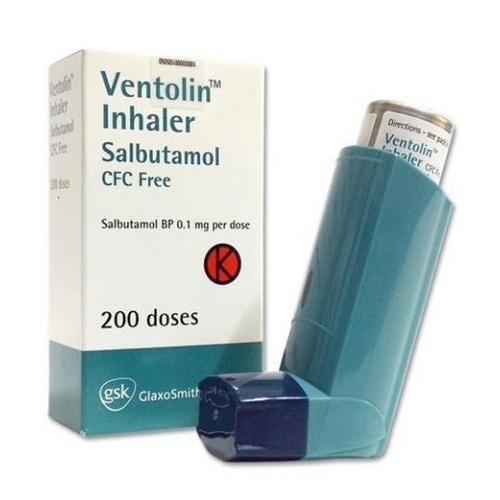
Can you get Ventolin Inhaler without a prescription in the United States?
Ventolin Inhaler (salbutamol/albuterol) is a prescription-only medication in the United States. It cannot be lawfully obtained without a valid healthcare provider’s prescription from a licensed practitioner.
Key Takeaways: What Every Patient Should Know About Ventolin Inhaler (Salbutamol/Albuterol) in the United States
- Ventolin Inhaler is most appropriate for rapid relief of acute asthma symptoms and other reversible airway obstructions.
- Most individuals experience symptomatic relief within minutes, but lasting control of asthma symptoms requires ongoing prevention therapy alongside Ventolin.
- Use of Ventolin Inhaler is safest under the supervision of a qualified healthcare provider, especially for those with heart disease, high blood pressure, or arrhythmias.
- A prescription is always required to obtain Ventolin Inhaler at any pharmacy in the United States, including telehealth services and online platforms.
- The most important benefit is its rapid bronchodilation, providing quick relief during asthma attacks or exercise-induced bronchospasm.
- If you find yourself needing Ventolin more frequently than recommended, seek immediate evaluation by a physician — this may signal uncontrolled asthma requiring a change in your treatment plan.
How Does Ventolin Inhaler Work? Understanding Its Mechanism of Action
Ventolin Inhaler’s active ingredient, albuterol (internationally known as salbutamol), is a selective beta-2 adrenergic receptor agonist. When inhaled, it binds to beta-2 receptors located in bronchial smooth muscle cells. This binding activates adenylate cyclase, increasing levels of cyclic adenosine monophosphate (cAMP).
Elevated cAMP leads to the relaxation of bronchial smooth muscles, producing rapid bronchodilation. This effect reverses acute bronchospasm and improves airflow in obstructed airways. Albuterol also inhibits the release of bronchoconstrictive mediators from mast cells and may have mild anti-inflammatory properties.
Simply put: Ventolin acts like a “muscle relaxant” for your airways, quickly opening up the bronchial tubes so you can breathe more easily during an asthma attack or acute episode.
Ventolin’s effectiveness is independent of meal timing, but proper inhaler technique is critical for optimal effect. No specific external triggers are required for its action once inhaled, but it cannot prevent airway narrowing caused by progressive inflammation; thus, it should not replace long-term control medications.
A Physician’s Perspective: When Relief Isn’t the Only Goal
In my experience, many patients judge their asthma control solely by how quickly Ventolin relieves shortness of breath, thinking that rapid relief means their asthma is “under control.” However, relying on frequent Ventolin use can mask underlying airway inflammation and lead to a false sense of security. I often observe patients using their inhaler more and more, without realizing this signals a need for a new management plan, not just more rescue medication. It’s crucial for patients to ask not just, “Does my inhaler work quickly?” but, “Why do I need it so often?” and “Am I using it the right way every time?” These conversations are unfortunately rare, but they can make all the difference in preventing serious asthma complications.
How Should Ventolin Inhaler Be Used? Dosage Instructions, Onset, and Duration
Ventolin Inhaler is intended for inhalation only. In the United States, each actuation delivers 90 micrograms (mcg) of albuterol sulfate. The following are general recommendations, but always follow your physician’s advice:
- For acute asthma symptoms: Take 1–2 inhalations (90–180 mcg) as needed. Wait at least 4–6 hours before repeating if symptoms recur.
- For exercise-induced bronchospasm prevention: 2 inhalations taken 15–30 minutes before exercise.
- Maximum recommended dose: Do not exceed 12 inhalations within 24 hours unless specifically instructed by your doctor.
- Children: Pediatric dosing is adjusted by the healthcare provider based on age and severity.
- Elderly or patients with liver/renal impairment: No dose adjustment is usually required but use with caution and regular monitoring.
- Peak effect: Most patients feel relief within 5–15 minutes; effects typically last 4–6 hours.
Ventolin Inhaler is not intended for splitting or modifying doses—each puff is a metered dose. Do not use a spacer unless prescribed. If a dose is missed, take it as soon as needed for symptoms. Do not double the dose.
Does Food, Alcohol, or Lifestyle Affect Ventolin Inhaler Absorption or Effectiveness?
Food: Inhaled albuterol is not significantly affected by meals or the fat content of food, as it works locally in the lungs rather than through the digestive system.
Alcohol: There are no direct interactions between moderate alcohol use and Ventolin. However, excessive alcohol intake may worsen asthma symptoms and decrease adherence to therapy. Caution is advised.
Caffeine: High caffeine intake may increase the risk of palpitations or tremors when combined with Ventolin.
Grapefruit juice: No significant interactions reported.
Smoking: Smoking can worsen asthma and decrease the overall effectiveness of any inhaled therapy, including Ventolin.
Who Should Not Use Ventolin Inhaler? Absolute and Relative Contraindications
- Absolute Contraindications (Never Use):
-
- Known hypersensitivity to albuterol or any excipient in Ventolin Inhaler.
- Relative Contraindications (Use with Caution and Medical Oversight):
-
- Significant cardiac arrhythmias or recent myocardial infarction (within past 6 months).
- Severe hypertension not controlled by medication.
- Hyperthyroidism (risk of increased arrhythmias and tachycardia).
- Uncontrolled diabetes mellitus (may increase blood sugar levels).
- History of seizures (rare reports of increased seizure risk).
- Pregnancy and breastfeeding: Only if clearly needed and prescribed by a provider.
- Specific Drug Interactions:
-
- Beta-blockers (e.g., propranolol): May blunt Ventolin’s effect or cause severe bronchospasm.
- MAO inhibitors and tricyclic antidepressants: Increased risk of heart side effects.
- Other sympathomimetic agents: Increased risk of toxicity.
Always inform your physician of all medications and supplements before starting Ventolin.
What Side Effects Are Most Common with Ventolin Inhaler?
- Very Common (>1/10):
-
- Tremor (shaking of hands)
- Palpitations (awareness of heartbeat)
- Headache
- Common (1/100 to 1/10):
-
- Tachycardia (fast heartbeat)
- Muscle cramps
- Nervousness or anxiety
- Mild throat irritation
- Rare (1/10,000 to 1/1,000):
-
- Paradoxical bronchospasm (worsening of breathing immediately after use)
- Severe allergic reactions (rash, swelling, difficulty breathing)
- Very Rare (<1/10,000):
-
- Heart rhythm disturbances (atrial fibrillation, supraventricular tachycardia)
- Low potassium levels (hypokalemia)
- Chest pain (angina)
If you experience chest pain, severe palpitations, or sudden worsening of symptoms, seek emergency medical attention. For mild side effects, discuss them at your next appointment; do not stop using Ventolin without discussing with your provider.
Common Pitfalls: Mistakes Patients Make with Ventolin Inhaler and How to Avoid Them
- Incorrect inhaler technique: Many patients fail to coordinate inhalation with actuation, reducing medication delivery. Ask your healthcare provider or pharmacist to demonstrate proper use regularly.
- Not priming the inhaler: Failing to shake and prime the inhaler before first use or after a period of non-use leads to inconsistent dosing.
- Over-using the inhaler: Using Ventolin more frequently than prescribed can signify poorly controlled asthma and raise the risk of side effects. If you notice an increased need, consult your physician rather than simply increasing your dose.
- Not monitoring dose counter: Using the inhaler beyond the number of labeled puffs risks receiving no medication. Replace your inhaler before it is completely empty.
- Failing to rinse mouth after use: While less common, some may experience throat irritation or fungal infection; rinsing can reduce this risk.
- Storing the inhaler improperly: Exposure to high heat or freezing temperatures may degrade the medication or affect aerosol delivery. Store at room temperature away from direct sunlight.
- Ignoring expiration date: Using expired inhalers can result in reduced efficacy.
How Does Ventolin Inhaler Compare to Alternatives? A Brief Analysis
| Product | Active Ingredient | Onset Speed | Duration | Common Side Effects | Approximate Price (USD, 2026) |
|---|---|---|---|---|---|
| Ventolin Inhaler | Albuterol 90mcg/puff | 5-15 min | 4-6 hr | Tremor, palpitations, headache | $35–$55 per inhaler (200 doses) |
| ProAir HFA | Albuterol 90mcg/puff | 5-15 min | 4-6 hr | Tremor, palpitations | $30–$60 per inhaler (200 doses) |
| Xopenex HFA | Levalbuterol 45mcg/puff | 5-10 min | 4-6 hr | Less tremor, possible headache | $65–$90 per inhaler (200 doses) |
| Generic Albuterol HFA | Albuterol 90mcg/puff | 5-15 min | 4-6 hr | Tremor, palpitations | $20–$40 per inhaler (200 doses) |
In short: Ventolin and its main alternatives provide similar rapid relief. Xopenex may cause fewer tremors but costs more. Generics offer a more affordable option with equivalent efficacy. Choice depends on individual response, insurance coverage, and tolerability.
Ventolin Inhaler: Product Specifications, Formulations, and Storage
| Available strengths | 90 mcg per puff |
| Formulation | Metered dose inhaler (MDI), 200 actuations per canister |
| Storage requirements | Store at 68–77°F (20–25°C); protect from freezing and direct sunlight; avoid temperatures above 120°F (49°C) |
| Expiration period | Check labeled expiration; discard 13 months after opening or as indicated |
| Manufacturer | GlaxoSmithKline (GSK); generics by multiple FDA-approved manufacturers |
Compatibility of Ventolin Inhaler with Other Medications and Products
| Type of Product | Can It Be Combined? | Consequences |
|---|---|---|
| Inhaled corticosteroids | Yes | Often used together for asthma control |
| Beta-blockers (e.g., propranolol) | NO (caution) | May block Ventolin’s effect or cause bronchospasm |
| MAO inhibitors | NO | Increased risk of cardiovascular side effects |
| Diuretics | Caution | Risk of low potassium (hypokalemia) when combined |
| Alcohol | In moderation | No direct interaction, but excess alcohol may worsen asthma |
| Caffeine | Yes (caution) | Possible increased palpitations/tremors |
How Is Ventolin Inhaler Metabolized and Cleared? Pharmacokinetics Made Simple
After inhalation, a portion of albuterol is absorbed directly into the lungs and bronchial tissues, producing its local effect within minutes. Some of the drug is swallowed and absorbed through the gastrointestinal tract. Systemic absorption leads to metabolism primarily in the liver via conjugation with sulfate. Albuterol and its metabolites are excreted mainly by the kidneys.
- Half-life (T1/2): Approximately 3–6 hours in adults.
- Onset: 5–15 minutes (peak effect usually at 30–60 minutes).
- Duration: 4–6 hours per dose.
- Note: Renal or hepatic impairment may prolong elimination; consult your provider for tailored advice.
Step-by-Step: How to Obtain Ventolin Inhaler Legally in the United States
- Step 1 – Consultation: Schedule an appointment with a primary care provider, pulmonologist, or allergy/asthma specialist. Telehealth appointments are widely available for many patients.
- Step 2 – Medical Assessment: Your physician will review your medical history, current symptoms, and previous treatments. Lung function testing (spirometry) may be performed.
- Step 3 – Prescription Issuance: If appropriate, your provider will issue a prescription (paper or electronic) for Ventolin Inhaler or an FDA-approved generic equivalent.
- Step 4 – Pharmacy Fulfillment: Take your prescription to a licensed local or mail-order pharmacy. Pharmacies in the U.S. are required to verify the prescription before dispensing.
- Step 5 – Counseling and Follow-up: Pharmacists are available to provide education on inhaler technique and answer questions. Schedule regular follow-ups to monitor asthma control and medication use.
Insurance Coverage: Ventolin Inhaler is covered under most commercial insurance plans, Medicaid, and Medicare Part D, but copayments may vary.
How Can You Identify Legitimate Online Pharmacies in the United States?
To ensure your safety and legal compliance, only use online pharmacies that are certified by the National Association of Boards of Pharmacy (NABP) or display the .Pharmacy Verified Websites Program seal.
- License Verification: Check for a valid U.S. pharmacy license and NABP certification. Legitimate sites require a valid prescription and disclose a physical U.S. address and contact number.
- Warning Signs of Unsafe Sellers: Avoid websites offering Ventolin Inhaler without a prescription, sites with unclear contact information, or prices far below average U.S. market rates. Beware of international sites shipping directly to the U.S. without proper authorization.
- Consumer Protection: U.S. law prohibits the importation of prescription drugs by individuals except in very limited circumstances. Use only domestic, state-licensed pharmacies to avoid legal and safety risks.
For further guidance, visit the FDA’s “Buying Medicines Over the Internet” resource.
How Can You Tell If a Ventolin Inhaler Is Authentic? Recognizing Counterfeit and Generic Products
Original Ventolin Inhaler (U.S.):
- Manufactured by GlaxoSmithKline in a blue plastic MDI device with a white cap and label stating “Ventolin HFA.”
- The canister includes FDA-required packaging, batch number, expiration date, and drug facts in English.
- Some packaging includes a QR code or hologram for verification.
- Box and leaflet must match labeling conventions and not appear blurry or poorly printed.
- Suspiciously low price, missing or incorrect labeling, or non-English packaging.
- No prescription required for purchase.
- Unusual color, shape, or texture compared to your previous inhalers.
- Generic albuterol inhalers are FDA-approved and have the same active ingredient, strength, and clinical effect as Ventolin, but may use different excipients (inactive ingredients).
- Some individuals may notice differences in taste, propellant, or device shape, but therapeutic efficacy is equivalent.
- Generics are often less expensive and widely accepted by insurance plans.
In summary: Generics offer a safe, effective, and more affordable option, while authentic Ventolin or generic inhalers should always come from an FDA-licensed source with proper packaging.
Psychological Support: You’re Not Alone in Managing Asthma
Asthma is a common and manageable condition affecting millions of Americans. Many people feel anxious or embarrassed about using inhalers in public, but remember: seeking help and using your inhaler is a sign of self-care. If asthma symptoms or medication use cause emotional distress, don’t hesitate to speak with your healthcare provider or a mental health professional.
What Should I Do If I Overdose on Ventolin Inhaler?
- Stop using the inhaler immediately.
- Call 911 or emergency medical services right away.
- Inform the dispatcher or medical professional about the medication, dose, and timing.
- Do not attempt to induce vomiting or take other medications unless directed by a healthcare provider.
- Common signs of overdose include chest pain, rapid heartbeat, tremors, and severe nervousness.
Timely emergency care can prevent serious complications from overdose.
Questions Patients Commonly Ask Their Doctor About Ventolin Inhaler Therapy
- How will I know if Ventolin is working for me?
- You should notice relief of wheezing, coughing, or shortness of breath within 5–15 minutes. If symptoms do not improve or worsen, contact your provider—ineffective response may indicate a more serious airway problem or incorrect inhaler technique.
- Is it safe to use Ventolin every day if I feel I need it?
- While occasional use as prescribed is safe for most, needing Ventolin daily often means your asthma is not well-controlled, and you may need a different treatment plan. Let your healthcare provider know if this is the case so your underlying inflammation can be addressed.
- Can I use Ventolin before exercise even if I have no symptoms?
- Yes, pre-exercise use is common and helps prevent exercise-induced bronchospasm. Your doctor will guide you on timing and number of puffs.
- What if I forget my inhaler when I leave the house?
- Always try to keep your inhaler accessible. If you are prone to frequent symptoms, consider keeping a spare, but never share inhalers. If you experience an attack without your inhaler, seek help immediately.
- How will my doctor monitor my progress?
- Regular follow-ups may include reviewing symptom diaries, assessing inhaler technique, and performing lung function tests (e.g., spirometry or peak flow monitoring) to ensure optimal asthma control.
- Are there signs that mean I should come back for a check-up sooner?
- Yes—if you need to use your inhaler more often than advised, if symptoms worsen, or if you experience side effects like palpitations or chest pain, contact your healthcare provider promptly.
- What if I move or travel—can I get a refill in another state?
- Most U.S. pharmacies can honor out-of-state prescriptions; check with your pharmacy and bring your medication list when traveling. Telehealth services may also help with urgent prescription needs while traveling.
Who Should and Shouldn’t Use Ventolin Inhaler? Special Populations and Cautions
- Children: Dose adjustments required. Only use under pediatric guidance.
- Elderly: Generally safe, but monitor for heart effects. No routine dose adjustment needed.
- Pregnancy and Breastfeeding: Use only if benefits outweigh risks. Discuss with OB/GYN or pediatrician.
- Chronic Conditions (heart disease, diabetes, thyroid disorders): Use with caution; regular monitoring is essential.
- Driving and Using Machinery: Unlikely to impair ability, but tremor or dizziness may occur—use caution until you know your response.
- Fertility: No evidence Ventolin impairs fertility in men or women.
Quality Check: How Should an Authentic Ventolin Inhaler Look?
- Blue plastic inhaler device with a white mouthpiece and cap.
- Label must clearly state “Ventolin HFA (albuterol sulfate) Inhalation Aerosol.”
- Batch number and expiration date printed on canister and box.
- FDA-required leaflet in English included in box.
- Check for GlaxoSmithKline (GSK) or manufacturer logo and clear, high-quality printing.
- Some packaging features a QR code or hologram for authenticity verification.
- If your inhaler looks different, check with your pharmacy before using it.
Clinical Assessment by doctor: Who Benefits Most from Ventolin, and Who Should Consider Alternatives?
Ventolin Inhaler remains the gold standard for immediate relief of acute asthma symptoms and exercise-induced bronchospasm in both adults and children. Patients who experience episodic wheezing, nighttime cough, or shortness of breath—especially if symptoms are infrequent—are the best candidates for as-needed Ventolin use. However, for anyone requiring Ventolin more than twice a week or waking at night due to symptoms, this signals a need for daily controller therapy, not just more rescue inhaler use. In patients with significant cardiac arrhythmias, poorly controlled hypertension, or a history of hypersensitivity, alternative bronchodilators or additional precautions may be preferable. Ultimately, I weigh the frequency of symptoms, response to inhaler, cardiac risk factors, and patient preferences when making a recommendation. Long-term asthma control almost always requires more than just a rescue inhaler like Ventolin; periodic reassessment is essential to ensure optimal outcomes and safety.
What Should I Do If Ventolin Inhaler Does Not Work?
If your symptoms do not improve within 15 minutes of using the prescribed dose of Ventolin Inhaler, or if breathing worsens, seek emergency medical attention immediately. Persistent or increasing need for Ventolin may mean your asthma is not controlled and your provider should reassess your plan. Never increase your dose or frequency without medical advice.
Frequently Asked Questions (FAQ) About Ventolin Inhaler in the United States
- Is Ventolin Inhaler the same as albuterol?
- Yes, Ventolin Inhaler contains albuterol sulfate (also called salbutamol internationally) as its active ingredient. Other branded and generic inhalers may have different names but the same active drug.
- Do I need a prescription to get Ventolin Inhaler in the U.S.?
- Yes, a valid prescription from a licensed healthcare provider is required to obtain Ventolin Inhaler in the United States.
- How much does Ventolin Inhaler cost?
- As of 2026, the price varies between $35 and $55 per inhaler (200 doses), but insurance coverage, copays, and manufacturer discounts can affect out-of-pocket expenses.
- What are common side effects?
- The most frequent side effects are tremor, headache, and palpitations. Less common but more serious effects include chest pain and severe allergic reactions.
- Can I use Ventolin Inhaler more often if my asthma gets worse?
- No. Increased use may indicate worsening asthma control and requires prompt evaluation by your healthcare provider to adjust your treatment plan.
- Are generic versions of Ventolin Inhaler available?
- Yes, FDA-approved generic albuterol inhalers are available and provide the same efficacy and safety as the branded version.
- How long does each dose of Ventolin last?
- Relief typically lasts 4–6 hours after a single dose.
- Is Ventolin safe during pregnancy or breastfeeding?
- Use only if clearly needed and prescribed by your physician; discuss with your provider for an individual risk assessment.
- What should I do if I miss a dose?
- Ventolin is used as needed for symptoms, not on a fixed schedule. Use as prescribed when symptoms occur; do not double doses.
- Can I get Ventolin Inhaler delivered to my home?
- Yes, many licensed pharmacies and telehealth services in the U.S. offer home delivery of prescription medications, including Ventolin, after verifying your prescription.
References and Sources
- FDA: Ventolin HFA Drug Information
- PubMed: Efficacy and Safety of Albuterol Inhalers in Acute Asthma (2024 Study)
- Mayo Clinic: Albuterol Inhalation Route
- CDC: Asthma Resources
- National Heart, Lung, and Blood Institute: Asthma Guidelines
- GlaxoSmithKline: Ventolin Product Information
- NABP: .Pharmacy Verification Program
 Weeks 1–3