
- Home/
- Buy Lasix in Online Pharmacy – Fast Delivery Across United States
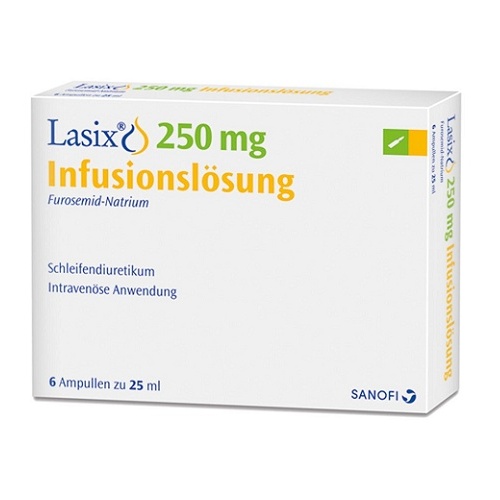
| Medication Name | Lasix |
|---|---|
| Main Compound | Furosemide |
| Intended Use | Treatment of Edema (fluid retention) |
| Strength Variants | 20 mg, 40 mg, 80 mg oral tablets; injectable forms available |
| Time Until Effect Starts | 30–60 minutes (oral); 5 minutes (IV) |
| Effect Duration | 6–8 hours (oral) |
| Routine of Use | Usually once or twice daily, as prescribed |
| Prescription Required in US? | Yes, by FDA regulation |
| Common Generic Manufacturers (US) | Teva, Sandoz, Mylan, Amneal |
Lasix for Edema: Guidance for United States
Lasix, containing the active substance Furosemide, is a prescription medication widely used to relieve swelling caused by excessive fluid accumulation—commonly known as edema. Approved by the US Food and Drug Administration (FDA), it is available in multiple forms and strengths in the United States for those needing medical management of fluid retention due to various health conditions.
Understanding Edema: You Are Not Alone
Edema—where the body retains excess fluid, often visible as swelling in the legs, arms, or abdomen—is a concern for many. According to the Centers for Disease Control and Prevention (CDC), in 2019, roughly 6.5 million adults in the United States had heart failure, one of the primary conditions leading to edema. Edema also frequently appears in people with kidney disease, liver problems, or as a result of certain medications. These numbers show that fluid retention is neither rare nor an unsolvable issue. With proper diagnosis and treatment, most people find relief and improved quality of life.
How Lasix Addresses Fluid Retention
Lasix targets edema by acting on the kidneys to increase urine output. Its mechanism: Furosemide is a loop diuretic, meaning it works on a specific part of the kidney called the “loop of Henle.” Here, it blocks the reabsorption of sodium and chloride, two salts that draw water with them. When these salts are not reabsorbed, water follows them out of the body as urine. In practice, this means that after taking Lasix, your body eliminates excess fluid more efficiently, reducing swelling and making breathing or movement easier if fluid was pressing on your lungs or joints. Most patients notice increased urination within an hour of taking an oral dose, with the peak effect lasting several hours.
Is Lasix Right for Your Situation?
| Your Situation | Should You Consider Lasix? | Reasoning |
|---|---|---|
| Swelling in legs due to diagnosed heart failure | Yes, often first-line | Heart failure causes fluid buildup; Lasix quickly reduces this, improving symptoms |
| Edema from chronic kidney disease | Yes, with careful monitoring | Lasix is commonly used, but kidney function needs regular checks to avoid complications |
| Swelling after minor injury (e.g., ankle sprain) | No, not recommended | Edema from injuries is usually managed with rest, ice, and compression—not diuretics |
| Edema with unexplained cause, no diagnosis | Not until evaluated by a doctor | Unexplained fluid retention must be investigated for underlying conditions before starting medication |
| Liver cirrhosis with abdominal swelling (ascites) | Sometimes, as part of a combined regimen | Lasix is often paired with other medications under specialist supervision |
Lasix is not suitable for every type of swelling. If you have unexplained or sudden onset edema, always seek medical evaluation first. Self-medicating without understanding the cause can delay necessary care or worsen other conditions.
Taking Lasix: Practical Guidance for Everyday Life
- When to take: Typically taken in the morning to avoid nocturnal urination. If prescribed twice daily, the second dose is often early afternoon.
- With or without food: Lasix can be taken on an empty stomach or with meals, per doctor’s advice.
- Missed dose: If you miss a dose, take it as soon as you remember—unless it’s close to the next dose or late in the day (to avoid nighttime urination). Do not double up.
- If it doesn’t work: If swelling or shortness of breath persists after several days, contact your healthcare provider. Dose adjustment or further investigation may be needed.
- Normal experiences: Increased urination, mild thirst, slight drop in blood pressure (may cause lightheadedness on standing).
- What to watch for: Severe dizziness, confusion, muscle cramps, or rapid heartbeat may indicate dehydration or electrolyte imbalance—report these promptly.
Every person’s response is different, and regular blood tests for kidney function and electrolytes (like potassium) are often necessary during therapy, especially at the start or after dose changes.
Who Should Not Take Lasix?
- Severe allergy to Furosemide or sulfa drugs: Because of risk of serious allergic reactions.
- Severe electrolyte depletion (e.g., very low potassium or sodium): Lasix can worsen these imbalances, leading to dangerous heart rhythms.
- Severe kidney failure (anuria): If your kidneys make no urine at all, Lasix will not be effective and may cause harm.
- Pregnancy and breastfeeding: Lasix is not routinely used in pregnant or breastfeeding women unless absolutely necessary and prescribed by a specialist, due to potential risks to mother and child.
Other conditions, like significant liver disease or gout, may require closer medical supervision before starting Lasix. Always inform your provider of all medical issues prior to starting any diuretic.
Possible Side Effects: What to Expect, and When to Seek Help
- Common (often temporary): Frequent urination, mild dehydration, low blood pressure (dizziness), muscle cramps, increased thirst.
- Uncommon (may require doctor’s advice): Gout attacks, hearing disturbances, rash, persistent confusion, significant electrolyte disturbances.
- Rare but serious (need urgent attention): Severe allergic reaction (swelling of face, difficulty breathing), significant confusion, sudden hearing loss, or chest pain. If these occur, call 911 immediately (United States emergency services).
If you believe you have taken too much Lasix—signs include extreme weakness, rapid heartbeat, fainting, or confusion—seek urgent medical attention. Overdose can lead to dangerous dehydration and electrolyte loss.
Medication Interactions: What Should You Avoid?
Lasix can interact with several types of drugs, sometimes increasing the risk of undesirable effects or reducing its effectiveness. Key drug classes to mention:
- Other diuretics: May increase risk of dehydration and electrolyte loss.
- Blood pressure medications (ACE inhibitors, ARBs): Combined use may further lower blood pressure or affect kidney function.
- NSAIDs (ibuprofen, naproxen): Can reduce the effectiveness of Lasix and increase risk to kidneys.
- Some antibiotics (e.g., aminoglycosides): Risk of hearing damage may increase.
- Diabetes medications: Blood sugar may be affected, requiring adjustments.
Always provide your healthcare provider with a full list of medications and supplements before starting Lasix. Never start or stop other medicines without checking for potential interactions.
Lasix Compared to Other Treatments: Is It the Best Choice for You?
| Medication | When Preferred | Limitations |
|---|---|---|
| Lasix (Furosemide) | Acute and chronic edema due to heart, kidney, or liver disease; rapid effect when needed | Can cause potassium loss, needs monitoring, prescription-only in US |
| Hydrochlorothiazide | Mild to moderate fluid retention, high blood pressure | Less potent than Lasix; not as effective in severe kidney impairment |
| Spironolactone | Edema from liver cirrhosis, some cases of heart failure | Slower acting, risk of high potassium, hormonal side effects |
| Toricamide | Alternative loop diuretic, similar to Lasix | Often used if Lasix is not tolerated or response is inadequate |
| Physical measures (compression stockings, limb elevation) | Edema not due to organ failure; prevention of blood clots | Not effective for fluid caused by heart, kidney, or liver failure |
Lasix stands out for its rapid action and effectiveness in moderate to severe edema of cardiac, renal, or hepatic origin. However, in cases of mild swelling or those due to injury, other measures are often more appropriate. In some situations, Lasix is used in combination with other drugs to achieve the best result. Treatment is always tailored to the underlying cause and individual patient needs.
Buying Lasix in the United States: What to Expect
Lasix requires a prescription under FDA regulation. It can be obtained from traditional pharmacies, hospital dispensaries, or legitimate online pharmacies that require a prescription. Some online telemedicine services may offer both consultation and prescription, streamlining the process for individuals with established medical histories. The cost varies depending on insurance, pharmacy, and whether you opt for a branded or generic version. While some online vendors may claim to provide Lasix without prescription, this practice is not legally authorized in the US, and medications from such sources may pose risks regarding authenticity and safety.
| Cost Component | Typical Price (USD) | Notes |
|---|---|---|
| Doctor consultation (in-person/telemedicine) | $70–$250 | Varies by provider and insurance coverage |
| Prescription fee | $0–$25 | Sometimes included in consultation |
| Lasix tablets (generic, 30-count, 40 mg) | $10–$40 | Generic furosemide; brand name often higher |
| Delivery (from online pharmacy) | $5–$20 | Standard shipping; express options may cost more |
| Total Estimated Cost | $85–$335 | Range: lowest cost (with insurance/telemedicine) to highest (in-person, uninsured, brand name, express delivery) |
Frequently Raised Final Questions
- How quickly will I notice improvement? Most people experience increased urination within an hour, and swelling reduction within several days. The timeline may vary based on underlying health conditions.
- Is it dangerous to stop Lasix suddenly? Abrupt discontinuation may cause fluid build-up to return. Always discuss any changes to your regimen with your provider.
- Can I travel while using Lasix? Yes, but plan for frequent restroom breaks and bring enough medication for your trip. Monitor for dehydration, especially in hot climates.
- Should I change my diet? A low-sodium diet is often recommended with Lasix to enhance its effectiveness and prevent swelling recurrence. Ask your doctor for tailored advice.
For any uncertainty or if symptoms change, prompt communication with your healthcare provider ensures safe and effective management. Medical advice on medication adjustments must always come from a licensed clinician familiar with your medical history.
 Weeks 1–3